Summer 2026 · Houston
Holon Foundation · Houston, Texas
The care you put into the places you keep deserves all the support in the world.
We build the systems that the people and small groups keeping this city need, and few could afford alone: ways to work together, and ways to be seen for what they keep.
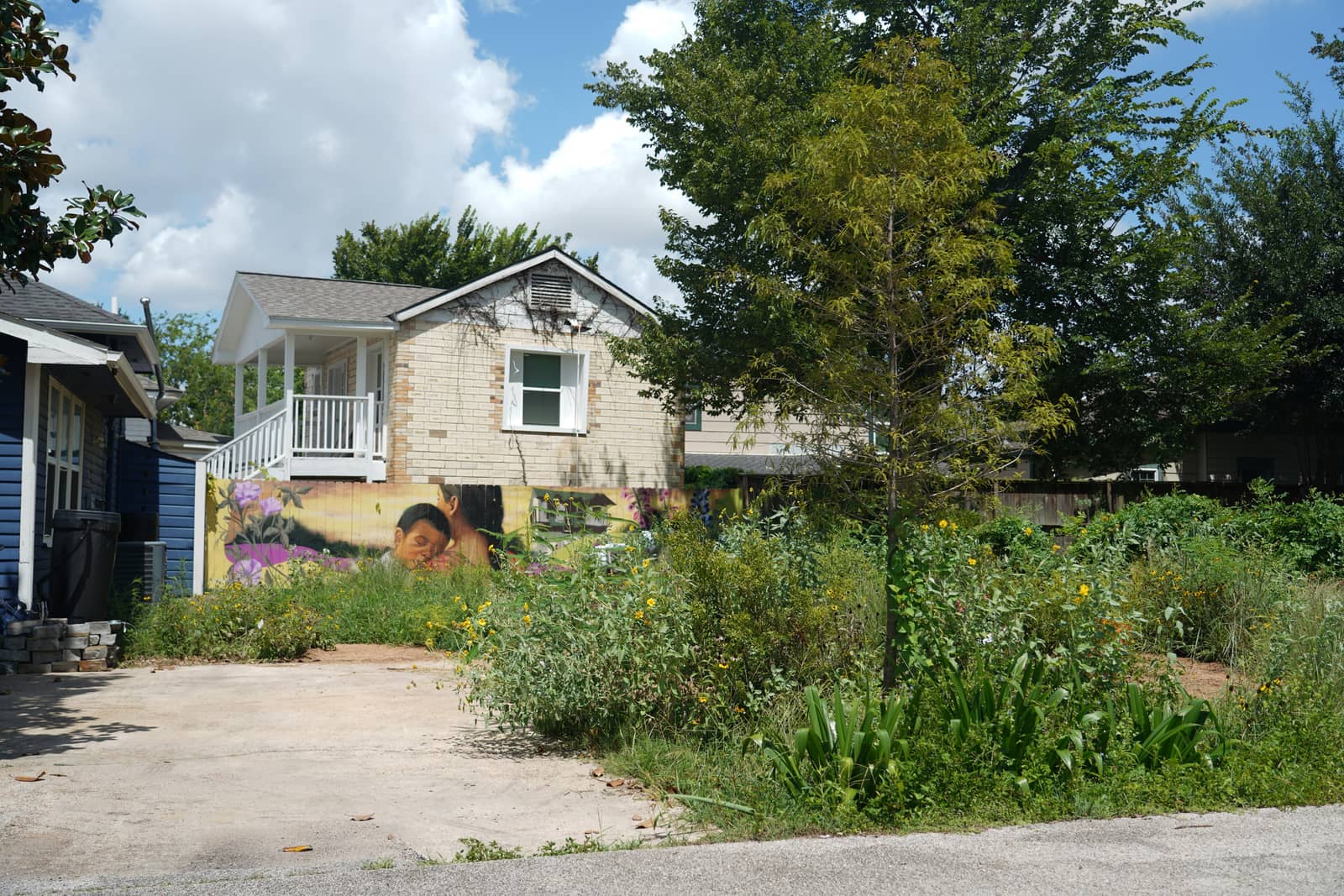
This city is full of people keeping it: a front yard, a park, an esplanade, a schoolyard, a church lot, a seed library in a box. Their work already exists. What it rarely has is the support a larger organization takes for granted.
A company buys an IT team, a back office, counsel and insurance. A friends group often runs on a group chat, a spreadsheet and the memory of whoever is president this year. Holon has built the serious version of those systems, mostly with donated time, and opens them to the groups who could not build them alone. Most of it is free.
Gifts support Holon Foundation's work preparing the program described on this page and travel through our regular, secure giving page. Holon Foundation is a 501(c)(3) nonprofit; gifts are tax-deductible as allowed by law. Nothing on this page is an offer of funds to any person or address.
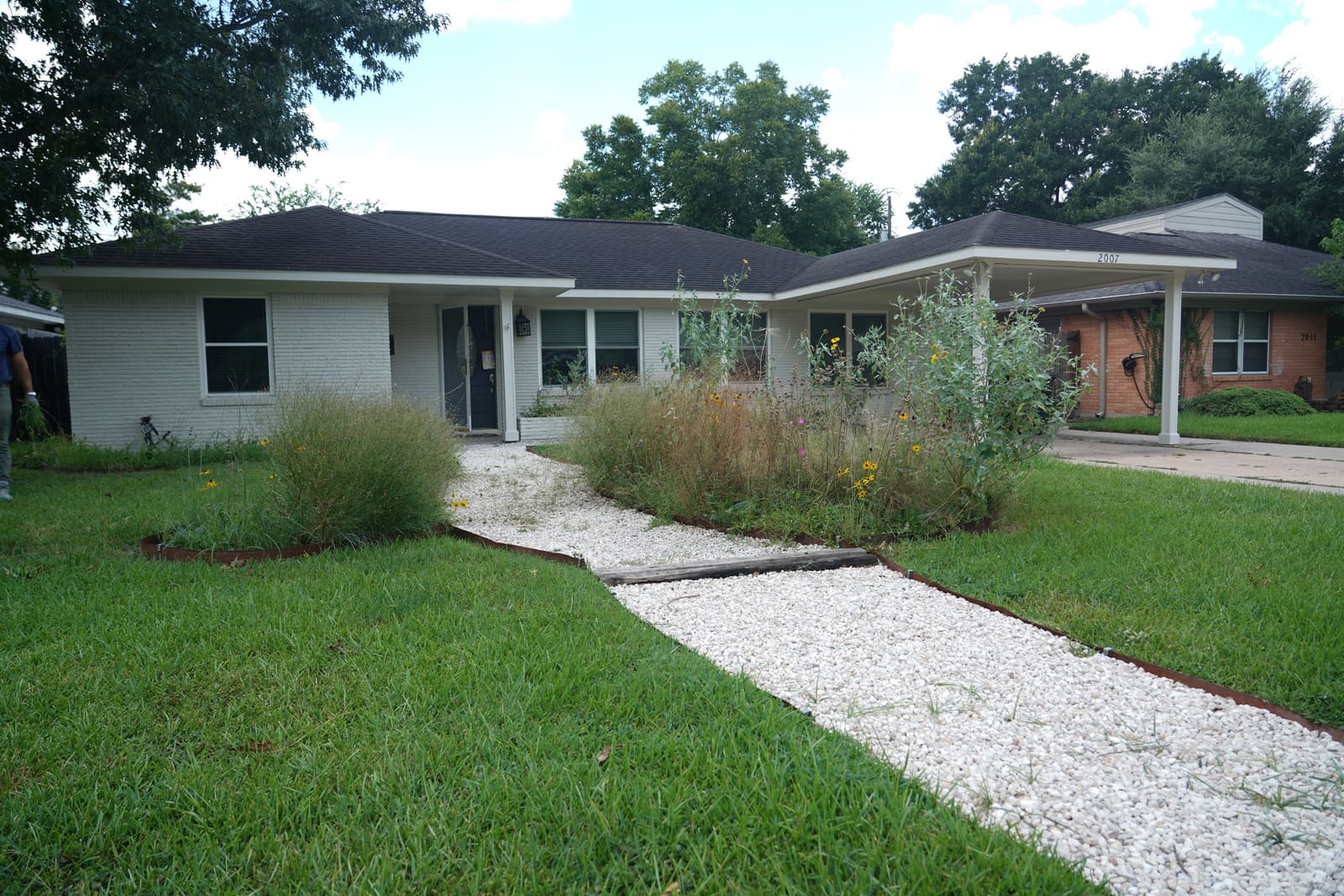
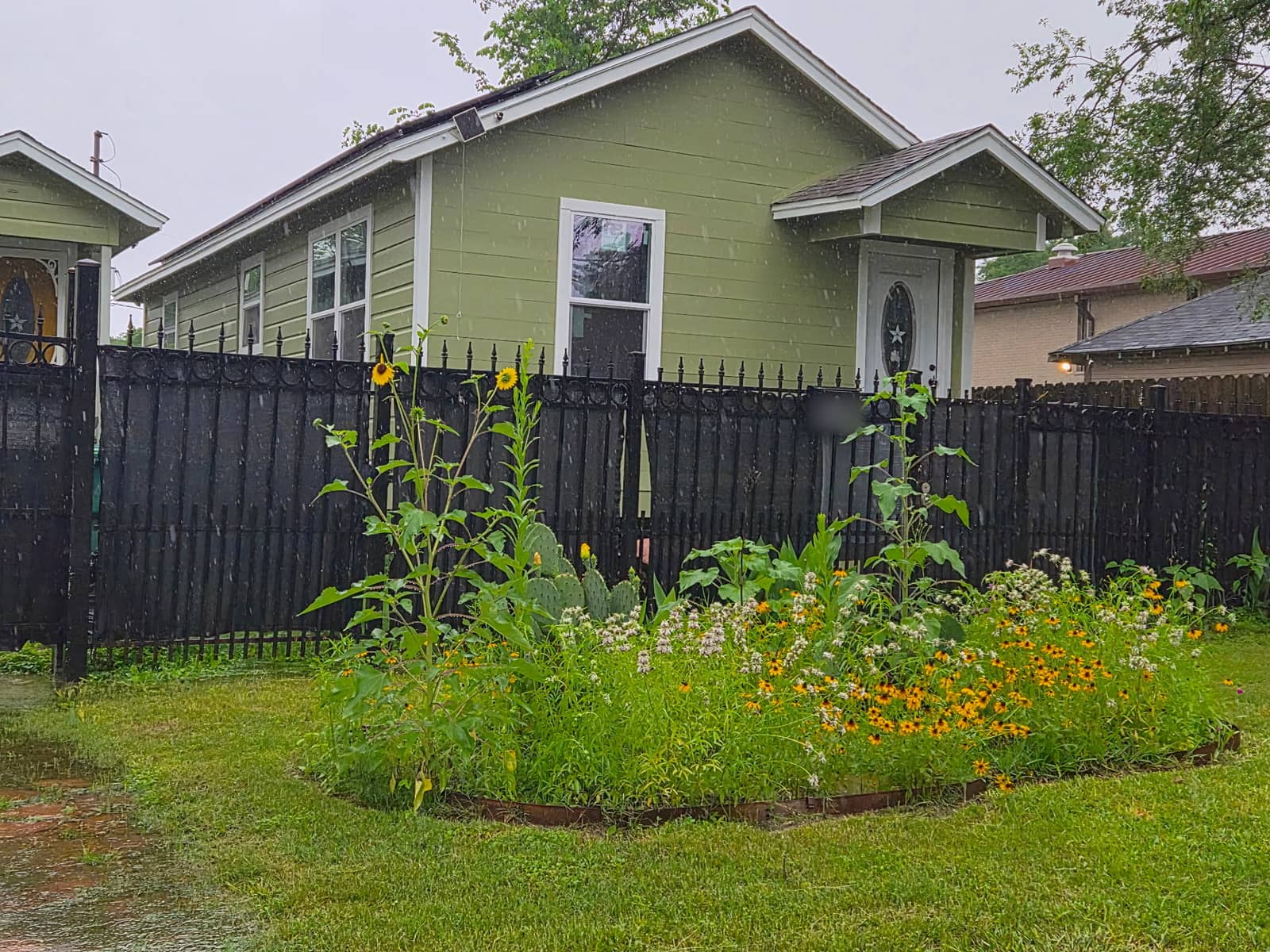
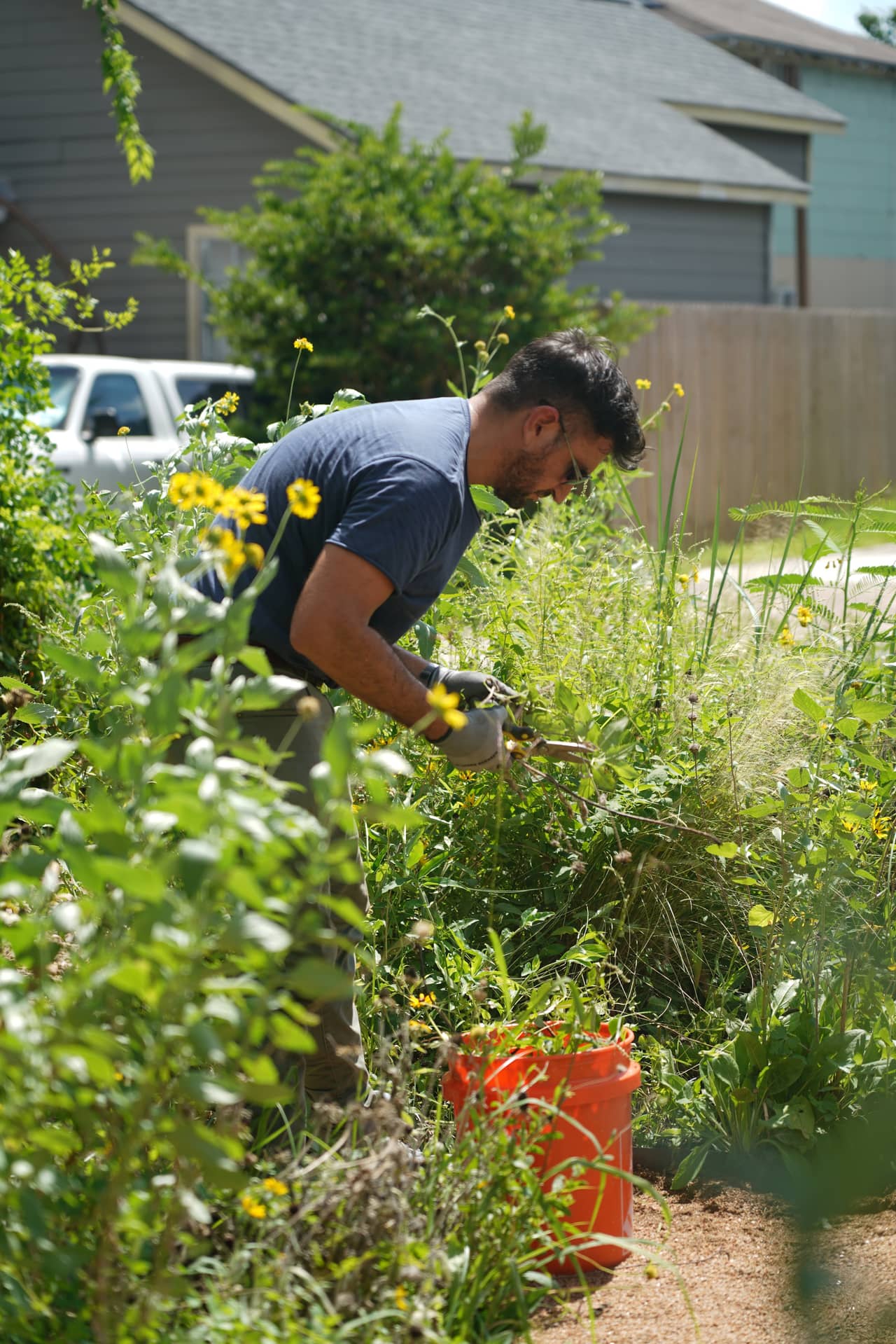
The work already exists. It needs to work together, and to be seen.
Many layers, one city
Conservation, as most of us learned it, is one network, and it is green. A city is many layers at once. Often the same neighbors keep the house, the tree and the street.
Together, without a center
Small groups keep this city's places, each in its own way. They need shared tools, not someone in charge: a picture of what is happening nearby, a board for the work days, a way to reach each other without a phone number.
Seen on their own terms
Support follows what it can read, and most of this work is hard to read from outside. A record in a group's own words, with the evidence behind each claim and never a rating, shows what is already there. The group decides what is shown, and to whom.
The tools we inherited were made for large land and large organizations. A field of small places needs tools of its own. Building them is Holon's work.
If your group keeps a place, start here.
A friends group, a civic club with an esplanade, a garden group, a small nonprofit, three neighbors who have only talked about it.
We list and never place. Your records are yours. Posting volunteer days stays free.
The work is already happening on your street. Here is the support.
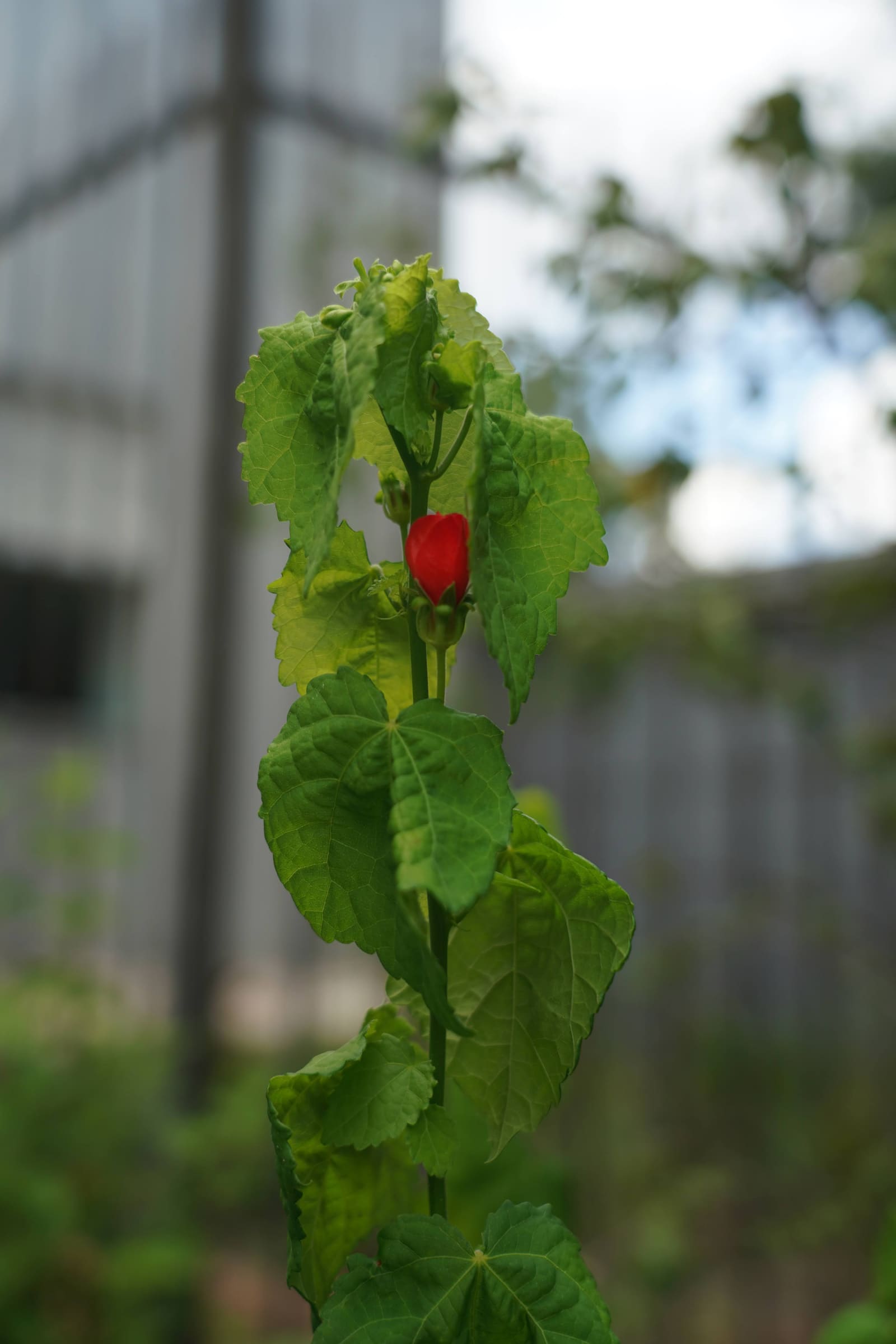
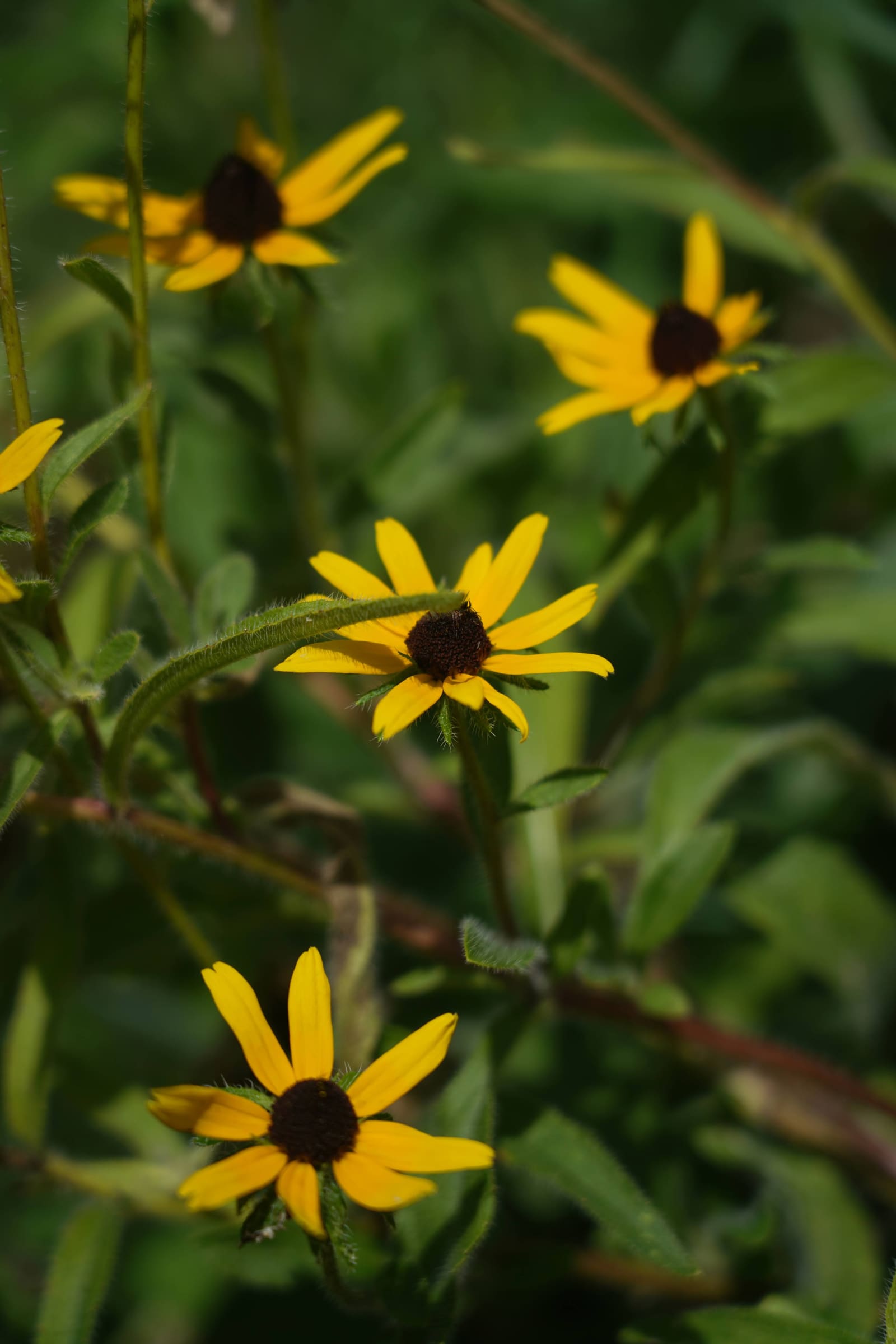
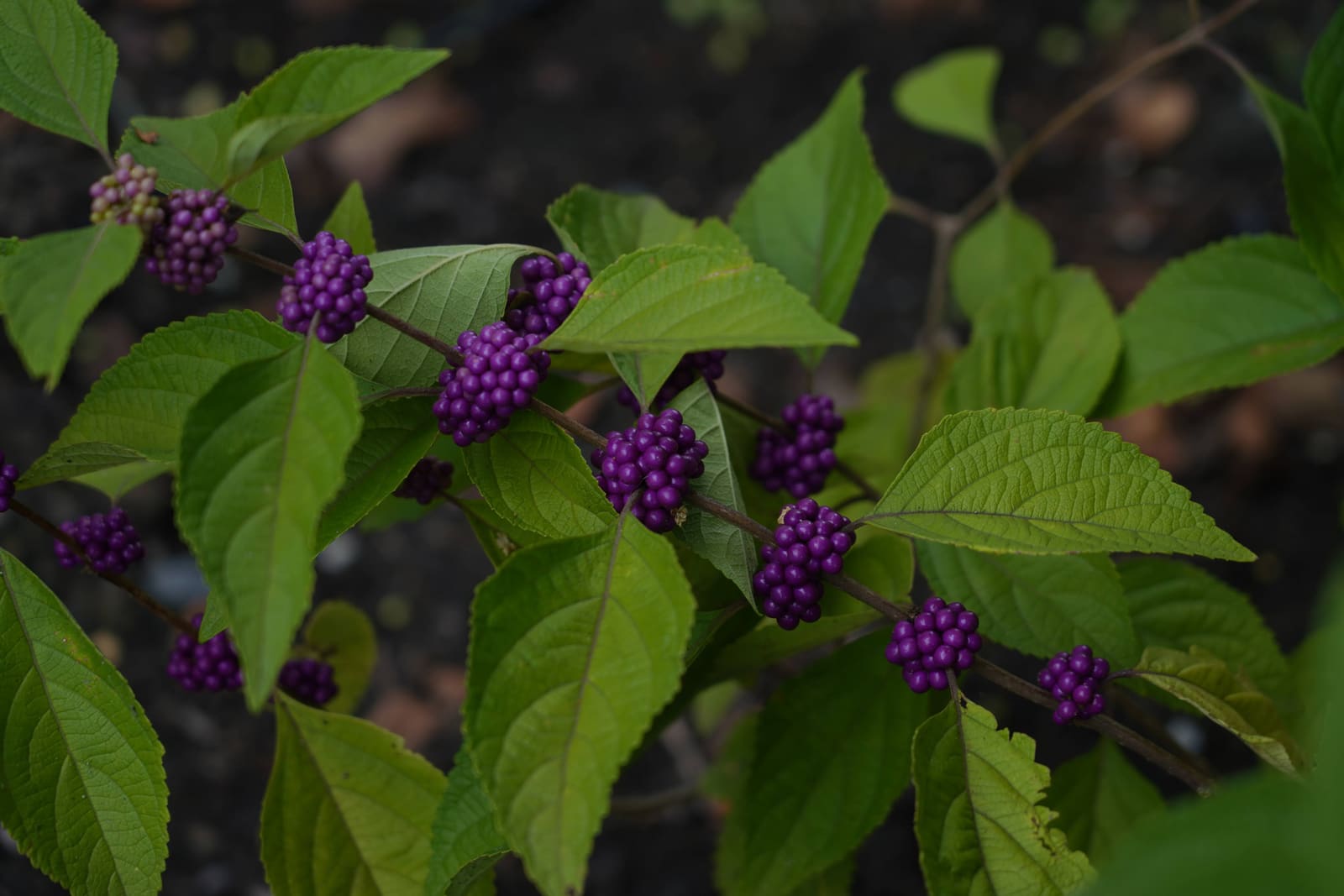
A gift keeps the tools working for every group that uses them.
Small groups do much of the work in this city, and few can afford the systems a larger organization takes for granted. Most of what they use here was built before any grant, with donated time. A gift now is its next use, by every group that uses it.
Four ways the work is carried
- People who giveThe shared tools, through the general fund, once or every month.
- CompaniesEquip many groups at once: a season of shared tools, the goods the work runs on, a team at a planting day. Being prepared.
- InstitutionsHolon's paid work: planning, teaching and coordination, shaped to what you need.
- Foundations and public bodiesThe field's own groundwork: pilots, standards, the case for public support.
Money can buy a garden. It cannot buy a kept one.
- No score, ever. The record says in words where a yard stands. The moment it says a number, the number becomes the thing people garden for.
- The walker is paid the same for a no. The fee is published end to end, so nothing about the money wants a particular answer.
- We never check work we built. If Holon put the plants in, Holon does not get to say they are thriving.
- You cannot pick a household. Gifts fund a neighborhood and a standard, never a chosen household. Ask us to choose a family and we decline, and say why.
- Nobody is the sole witness of their own yard. A household’s own word counts, and is never the only word.
Not a number
A band, said in words
How we work with groups
- For a field, not for Holon. Built so other groups run their own work on it.
- We list and never place. A directory, never an agency; your process stays yours.
- Free at the core. Posting volunteer days stays free for good.
- Nothing for sale that should not be. Placement on the map and data are never sold.
- Your records are yours. In your own words, never a rating.
- Private by default. Never an address; children never shown.
- Volunteers add. They never replace paid work.
- Open by design. The volunteer feed follows a published open standard.
The round, where neighbors see each other's work through the year, is being prepared. This page will say when the first one is walked.
Asked and answered, plainly.
01Is it really free?
The core is free today, and posting volunteer days stays free. We never sell placement or data. Our paid work is planning, teaching and coordination, for those who can pay.
02Isn't this overhead?
For a toolshed, the tools are the program. Most of them were built with donated time, before any grant, so a gift now puts them to use rather than paying for a start.
03Are you competing with us for grants?
We would rather help you win yours. When Holon applies for money, it is for tools every group can use, or beside a group and for that group's place.
04What happens to our information?
We never sell it, the map never shows an address, and you can close your account whenever you want.
05How is this different from a volunteer center?
We list and never place. An organization runs its own volunteering under its own process on our system, and its volunteers keep their own record.
06What does preservation have to do with gardens?
Often the same neighbors keep the house, the tree and the street, and the people who keep them share two needs: working together, and being seen for what they keep.
07Is somebody inspecting people's homes?
No. Neighbors look only at the front yard, from the front, at times the household chose, at commitments the household made in public. The household holds the record.
08What does a gift support today?
The shared tools, through the general fund: a gift keeps them working for every group that uses them, once or every month. The program's own fund opens only when its legal and accounting groundwork is confirmed, and this page will say so plainly when it does.
09Who walks the rounds, and are they paid?
When the round opens: trained neighbors, commissioned for the role, each paid a flat published fee for every completed round, the same whether the yard is thriving or struggling. Some may choose to serve as volunteers instead, which will be their own choice, never a requirement.
10Do you still build gardens?
Holon now builds what the field needs to stand on. The yards Holon built with households are the ground of this work. If you want a garden built today, Holon plans the build and coordinates it, and you hire the firm that does the work.
11What is urban conservation?
The keeping a city already does on thousands of small places: yards, schoolyards, church lots, the strip by the bus stop. We know the word is borrowed, and that in a city the work is more than ecological; it is the closest word we have, because at its root it means keeping.
12What happens if someone stops keeping a commitment?
When the round opens, the support tied to that commitment will pause, and the standing it built will have to be built again. Nothing will be clawed back and nobody will be shamed. The program will pay for keeping, so keeping will be the only way to be paid.
13Do I earn points for this?
No. The program issues no points, credits or balance of any kind, and recognizes none issued in its name. What a kept promise builds is a record: nobody can devalue it, and it does not expire while the promise is kept.
14Can renters take part?
Yes, by design. Commitments exist for containers, balconies and shared ground, with lease language prepared so a renter can enroll with their landlord's consent.
15Can a business or organization join?
A church, a school or a corner store can hold commitments like any household. Larger organizations are welcome to keep a witnessed record and to stand in a corridor, and the design reserves payments for households and small community organizations.
16Why not use a certification that already exists?
Every property a city of small keepers needs exists somewhere in the field. What it needs is a standard that holds them together: one that works at the scale of a single yard, records what a yard does in a shared form that can be compared and combined with its neighbors', covers the social and cultural life of a place as well as its ecology, is openly licensed and changed in public by people who do not sell the certification, and has the result checked in person by someone independent of the owner. So we drafted one, for comment.
17How will the first neighborhood be chosen?
On published criteria: heat, flood exposure, need, and a base of neighbors ready to serve. Decided in the open, not by any donor.
18When will there be results to see?
Findings from the first neighborhood are planned for early 2028. Before then we share our method, never claims.
19Is there evidence this works?
The closest evidence is a randomized trial in Philadelphia, published by Branas and colleagues in the Proceedings of the National Academy of Sciences, where cleaning and greening vacant lots, and nothing else, was followed by less gun violence and less fear of going outside. We cite it for what it found there. Whether it holds between neighbors on a Houston street is what the first neighborhood exists to find out.
As of
- Two volunteer director roles, open.Holon is run by people who give their time. Each director leads one area, Community Outreach or Programs, and both roles opened to applicants.counted · See the roles
- A seal of transparency.Holon holds Candid’s Platinum Seal of Transparency for 2026, on its public profile.counted · How we are governed
- Funding lists, shared by invitation.The funding, conference and program opportunities Holon tracks each week, readable a month at a time by the people and groups we invite.counted
- Safer systems, a page to send.What to do in a security week, and why small groups should not have to face it alone.counted · Read it
- Messages, without a phone number.Members write to each other in threads, with pictures, without handing out a phone number.counted
- A page for every event.A group can send its own event page, and people sign up on it without an account.counted
- The Board made this the Foundation’s main work.On 2 October the Board of Directors adopted this program as the Foundation’s principal program, and set what this page may say.counted
- The support, written down as one list.Every way Holon helps someone keeping a yard, or a place a few neighbors keep together, each marked with where it stands.counted · See the list
- Volunteering, opened to every organization serving the commons.A place where a person says what they will do, and when, and a board where any organization serving the commons posts its own opportunities, free.counted · Volunteer
- The promises, written down where anyone can read them.Twenty-one promises are now set out in the open, each with a permanent code, alongside five sets a neighbor might choose. The full list is longer.counted · Read the list
- A way to write down what a yard does.Ten dimensions, from what lives in a yard to what the street sounds like, and a rule that they never collapse into one score. Written and dated.counted
- The round, and the rules around it.Six movements, a paper kit for a yard with no signal, a published fee that is the same for a yes or a no, and the front yard only.counted
- The place the record lives.One system holding a yard’s promises, its evidence and its rounds. It works with no signal, because the neighbor walking a round often has none.counted
- Our own books, opened to ourselves first.Decisions, grant applications, documents and tasks moved into one system, so anything we say here can be checked against what we recorded.counted
- Six front yards, and a practice older than the organization.Six front yards built with the households who keep them, documented by agreement. The archive photographs start in 2009. What began in 2026 was the writing down.counted
15 gardens hold a record in the portal today · counted
When something here changes, the date at the top changes with it. If that date is old, the page is telling you the truth about that too.
What we cannot show you yet
- Whether it holds between strangers. The six yards were built by us, with people we know, and seen by nobody in particular. That is evidence of craft, not yet evidence that neighbors can stand behind each other’s work.
- What happens after we leave. Nobody followed those six yards past handover. The next group records it from the first day, which is the only reason we can say this out loud.
- Where the given work came from. Most of what built this organization is work people gave rather than money, and until this year nothing could show where any of it came from.
The standard, soon open for comment
A draft standard for the keeping a city does at the scale of a yard: ten dimensions and a record that composes, to be openly licensed and changed in public. Every record says which dimensions it touches and never how many. The draft opens for public comment when its repository does, and this page will say so.
Trees where the walk bakes · Rain kept on the lot, not sent to the street · A patch left unmown
Biodiversity · Water · Heat · Soundscape
Pots along the rail · Kitchen scraps composted upstairs · Greens growing in the window
Biodiversity · Food · Culture · Local economy
Six ways in. Every one of them is open now.
Write to us