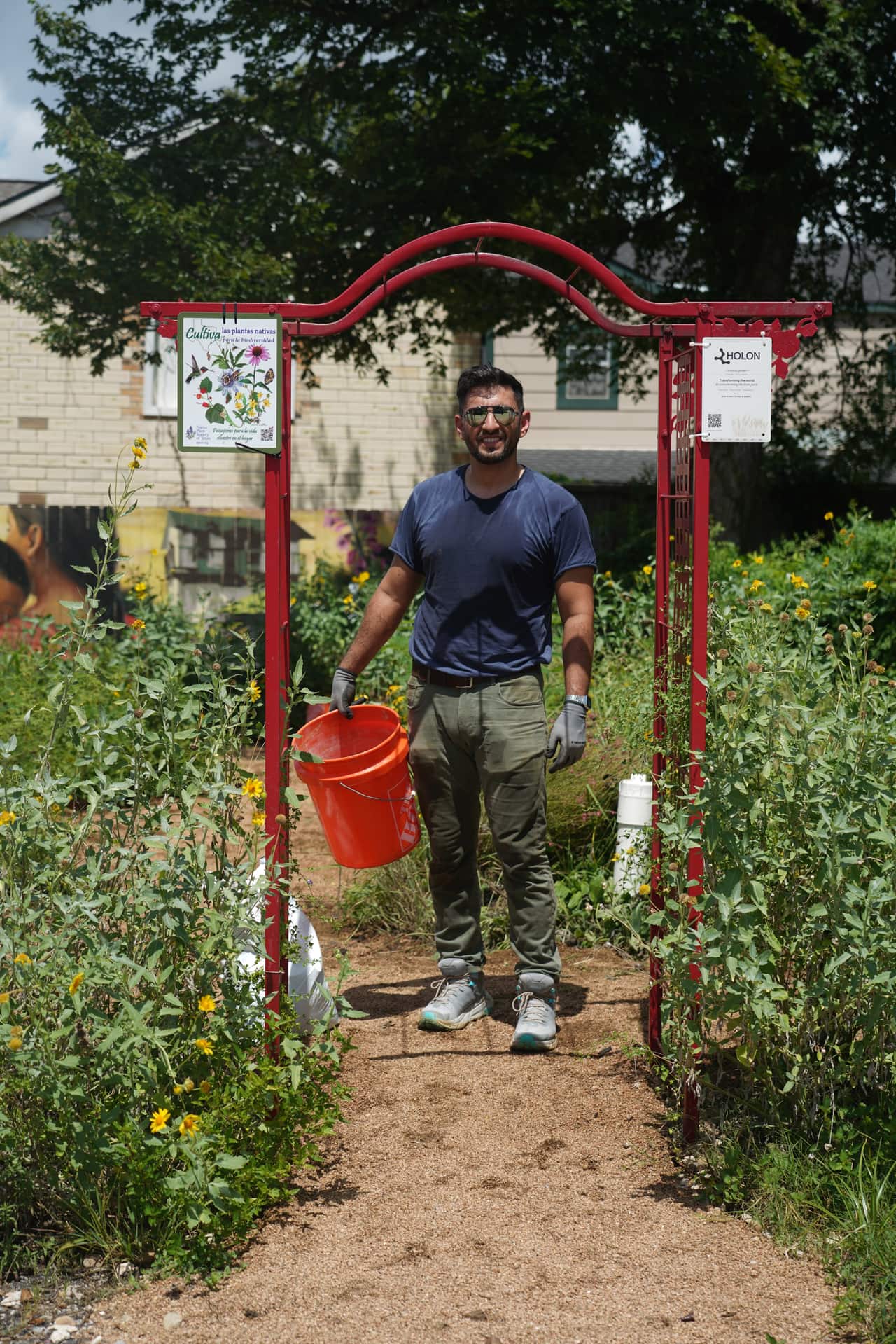
A holon is a whole
that is also a part.
Arthur Koestler's word for a thing complete in itself and, at the same time, a member of something larger. A leaf. A yard. A block. A person. The structure of life is holarchy, and we build for it.
Summer 2026 · Houston A living garden. It changes with the seasons.
Collective elegance
For a decade, elegance has meant subtraction. The beige interior, the empty surface, the single perfect line. It reads as taste because it reads as restraint, and restraint reads as wealth. The cost of that aesthetic is hidden on purpose: the labor, the seasons, the provenance, the mess of living things are all sanded away until nothing remains to interrupt the signal.
We think that idea of elegance is exhausted, and quietly exclusionary. An empty room is not more intelligent than a Saltillo weave. A frictionless surface is not more sophisticated than a working garden.
The most elegant proof is not the emptiest. It is the one that holds the most in relationship.
Our intellectual home is compositionality: the mathematics of how parts combine into wholes without losing themselves. A milkweed is at once a species, a host plant, a carbon sink, a hazard, a decoration, and a story. A flat system forces you to pick one. A compositional system keeps every view as structure, mapped to the others.
The thesis has a radius. We aim to compose each garden from what already lives within a mile of its front door: the people, the tools, the skills, the plants, the memory. A garden built that way does more than restore habitat. It moves wage, skill, and story in a circle you can walk, and the neighborhood develops in all three registers at once: social, cultural, economic.
So we define elegance differently. Not the economy of one refined hand, but the right relation among many. Elegance that is grown, credited, public, and still unfinished. We call it collective elegance, and it is the reason this site does not look like a spa.
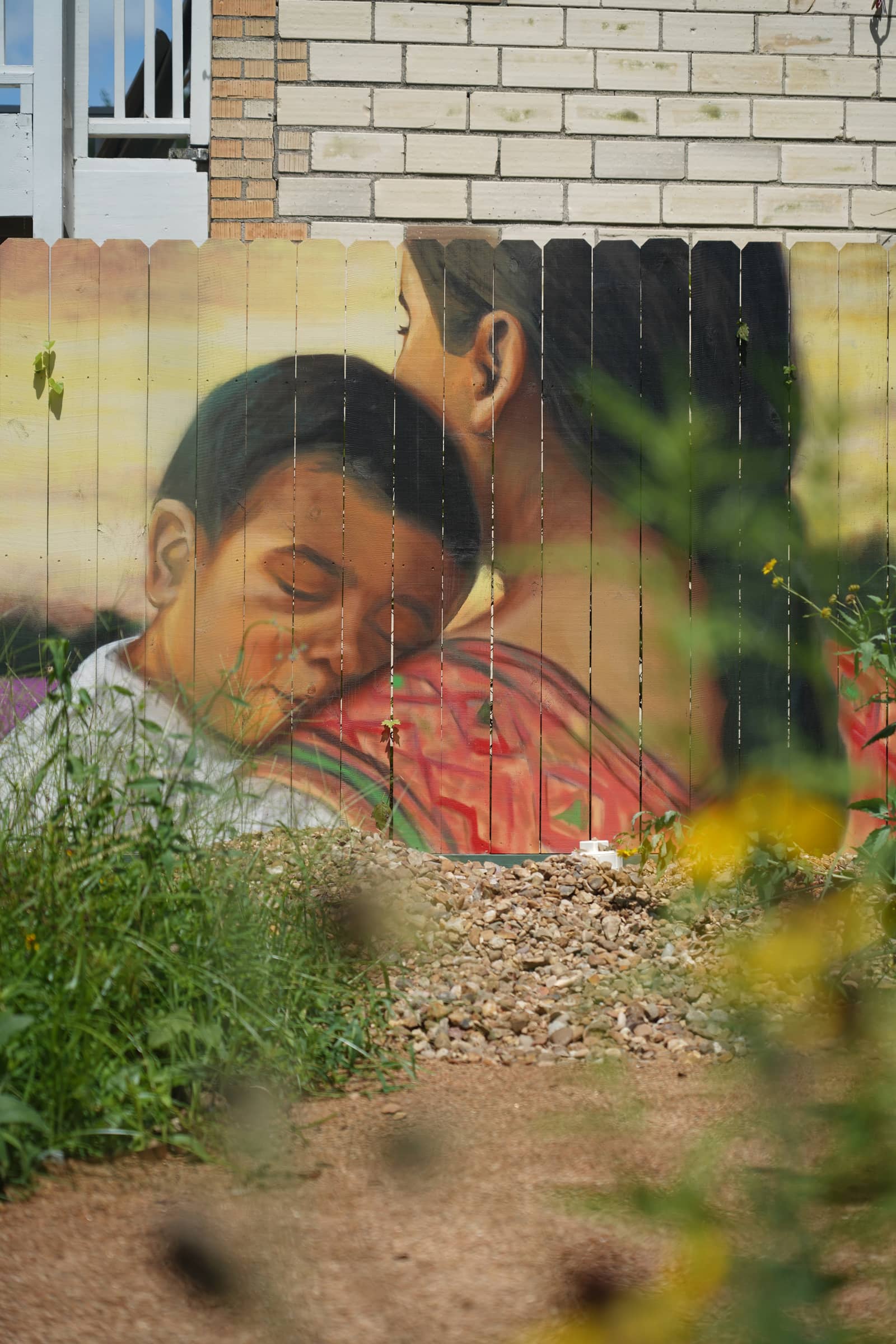
Summer 2026 · Houston
Three registers, composed, never blended into mush.
Holon lives inside three honest tensions. Most brands would pick one and suppress the rest. Collective elegance asks us to hold all three on the same surface, the way a weave holds different threads without dissolving them.
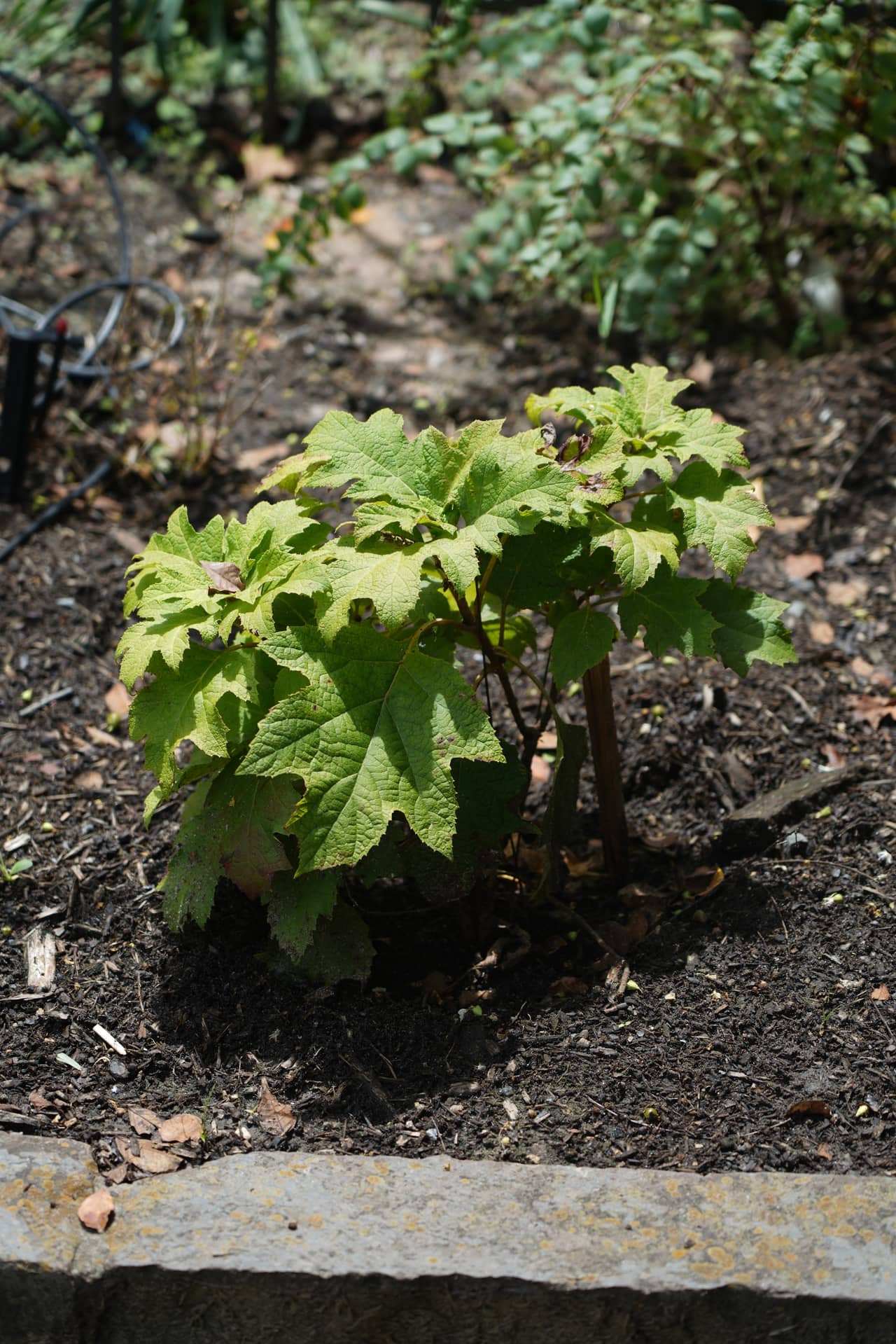
Vitality
Wellness, health, the calm of living ground. The restorative pole. We keep it collective: the health of a block, not a private spa ritual. Every claim carries a citation.
Calm · measured · green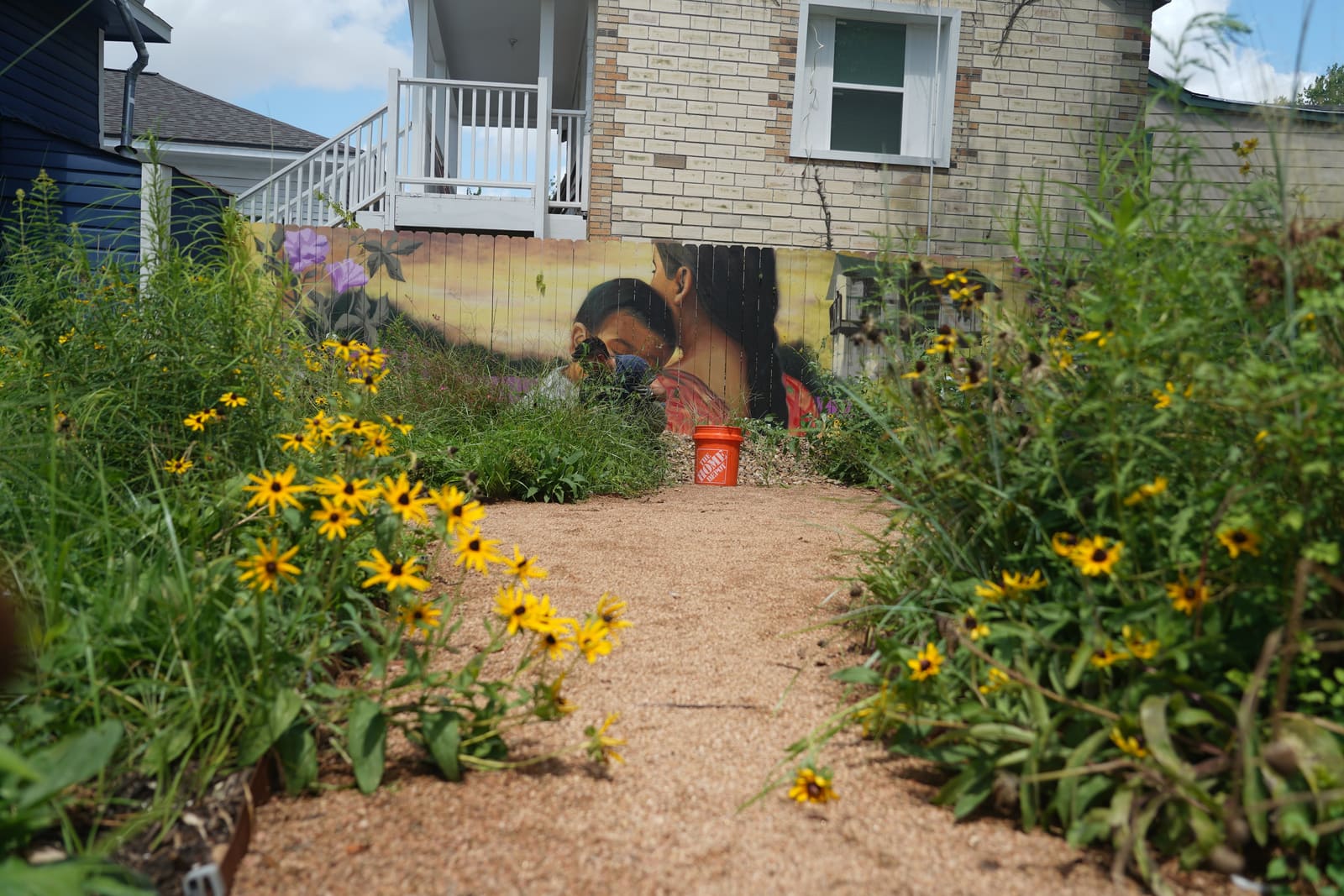
Ancestral
Indigenous and Latin American wisdom. Saturated color and craft as inherited intelligence, not festivity. Many hands across time. Always credited by name.
Inherited · saturated · rigorous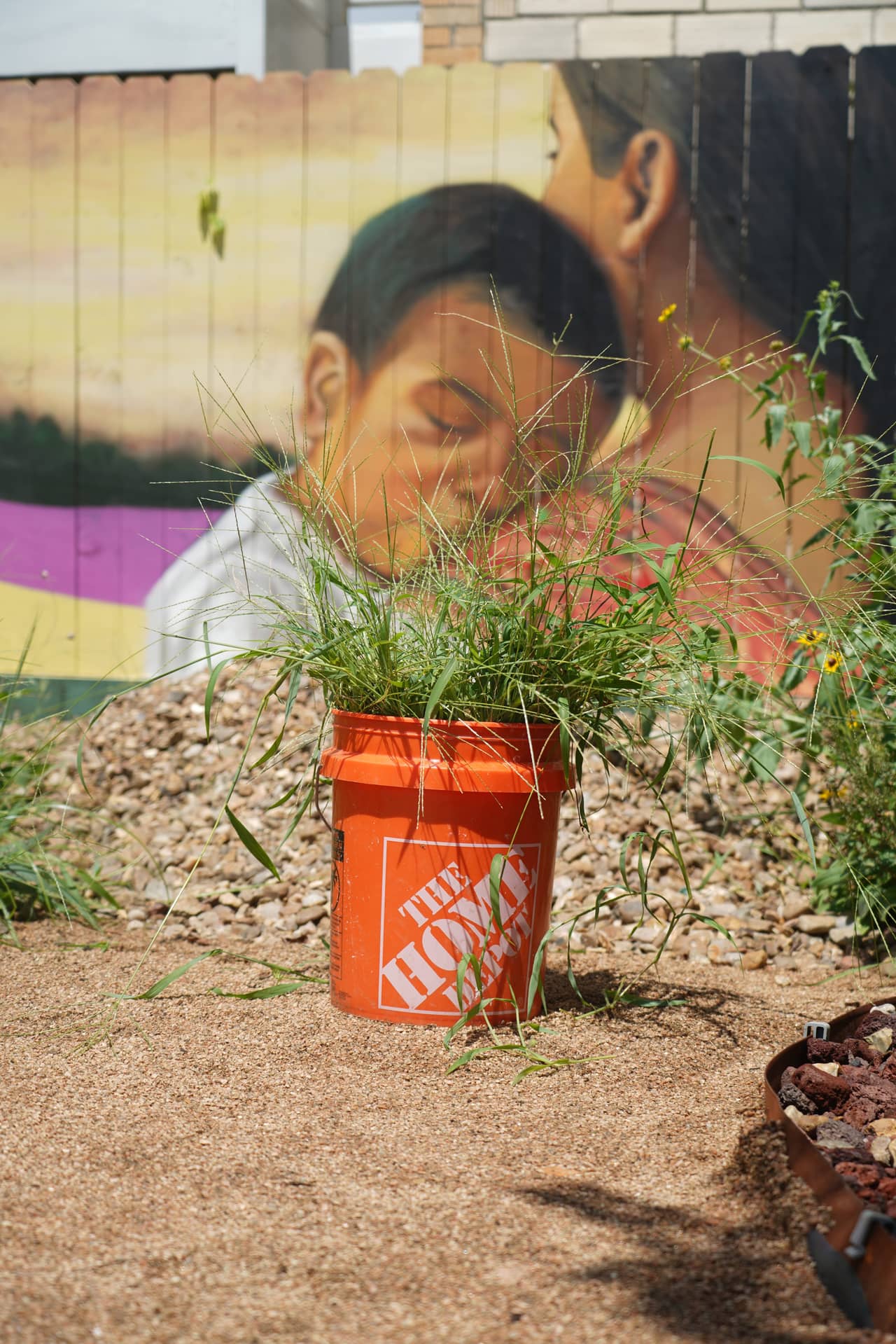
Insurgent
Guerrilla gardening, tactical urbanism, the refusal of the maintenance treadmill. The most done with the least, in public, by ordinary people.
Tactical · public · directOne converted front yard moves five systems at once.
Ecology
Little bluestem, muhly grass, inland sea oats. Native habitat restores biodiversity and holds stormwater at the hyper-local scale.
Society
Shared keeping builds trust between neighbors. The yard becomes a reason to meet at the fence.
Culture
Every converted lawn contests the monoculture aesthetic. Color and difference where there was turfgrass.
Economy
No mow-and-blow. Lower upkeep, higher property value, local green-economy work that stays on the block.
Politics
Community-owned ecological data shifts decisions from top-down to bottom-up. The block keeps its own record.
Every color names its tradition.
Saturated color does identity work in this brand, so it carries a name, a place, and an obligation. We credit the tradition at the same prominence as our own mark, and route a share of revenue to the people who keep it. We do not repackage living craft as bohemian, tribal, or ethnic.
Summer 2026 · Houston
Summer 2026 · Houston
Summer 2026 · Houston
Two named funds carry the affordability work. The Installment Fund builds the paperwork and the plan templates that let a household pay for a garden in parts, with every disclosure done right. The Benefits Fund works to win recognized value for planted ground, starting with the Texas water conservation exemption Houston has not yet adopted. Both are program funds. A gift supports the program for everyone it reaches, never one person's project.
Older than our name
Holon was incorporated in 2023, but the practice behind it has been planting prairies in Houston since 2009. These frames come from the archive: real gardens, real weather, phone cameras and all.
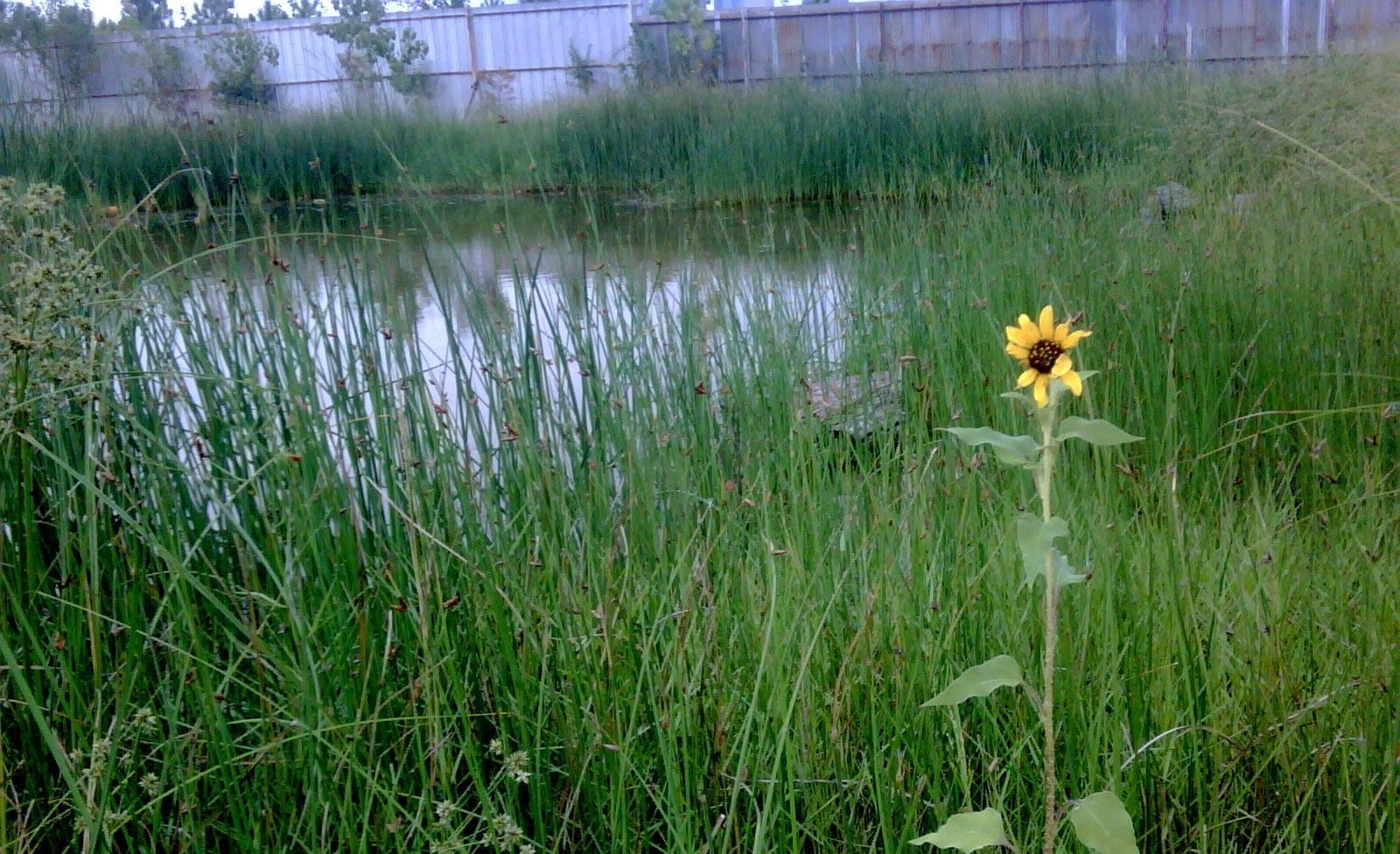
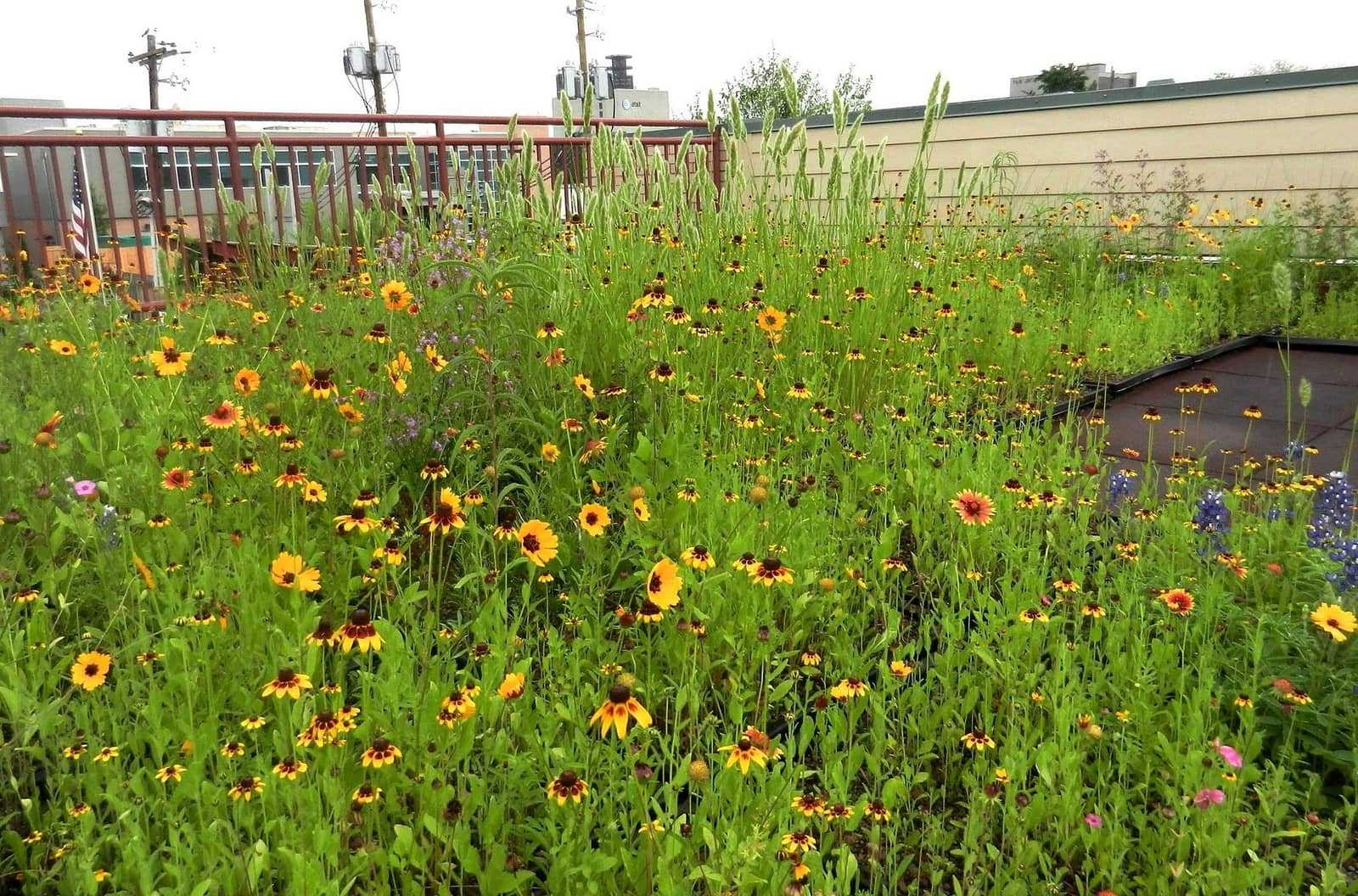
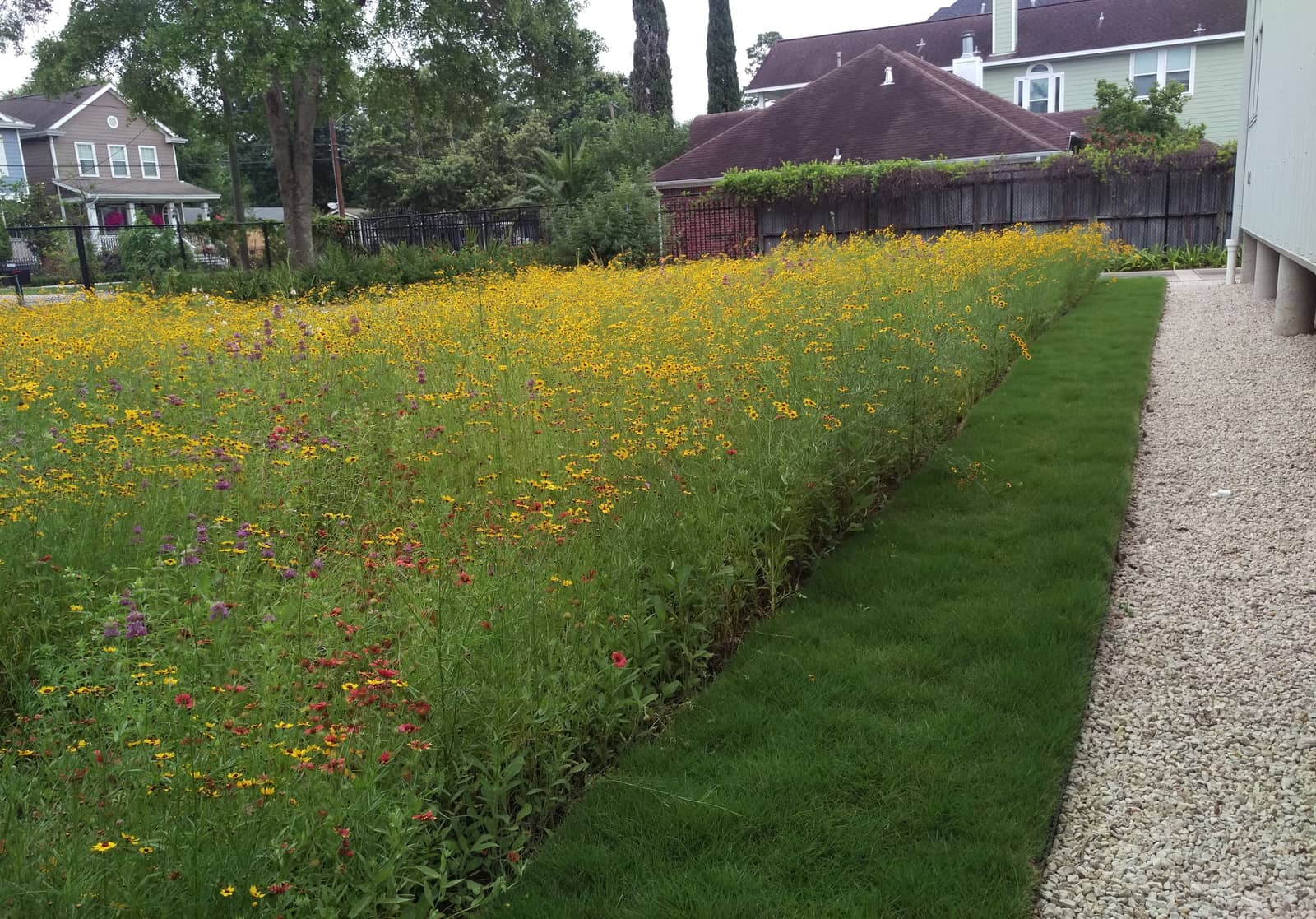
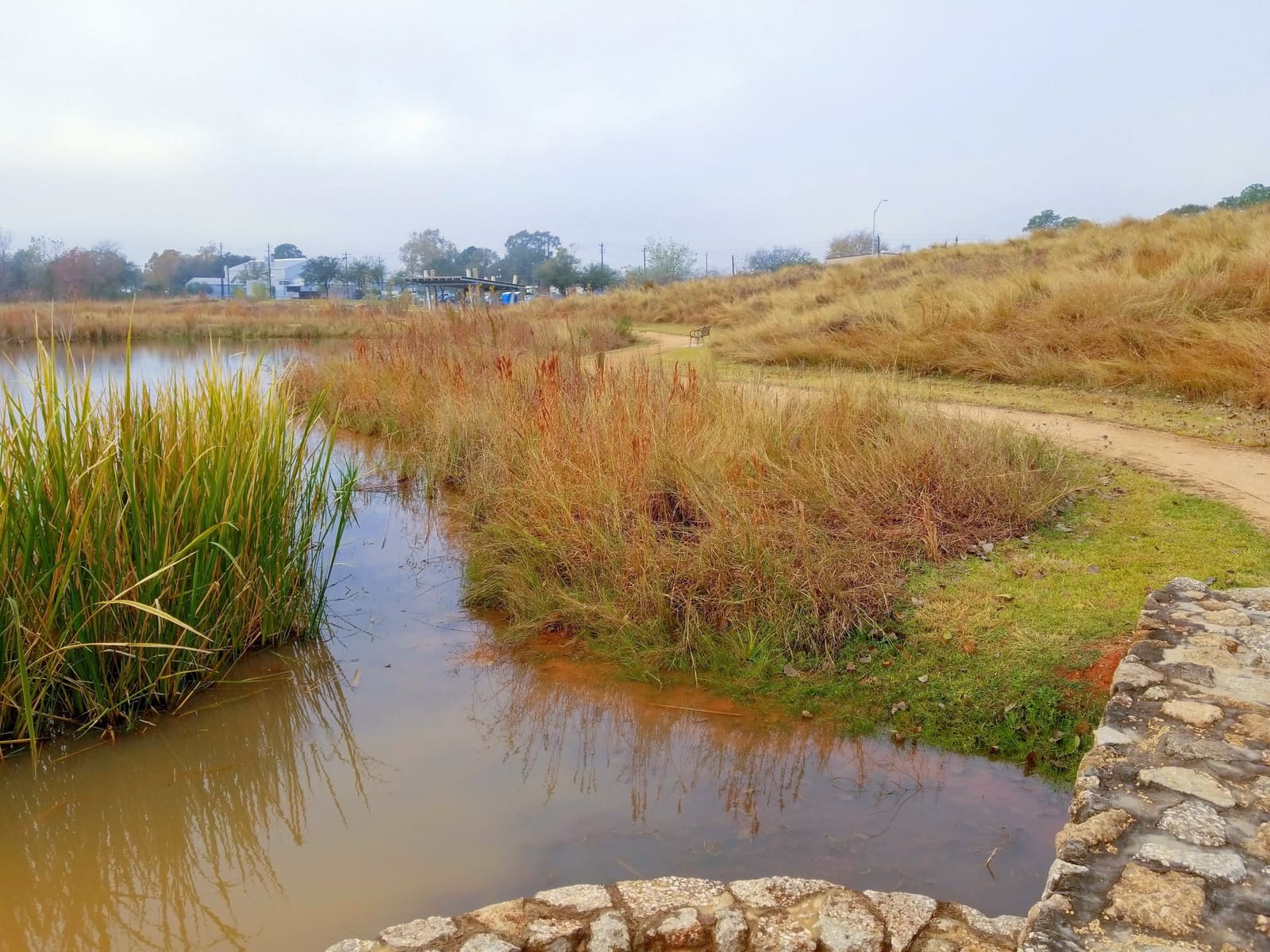
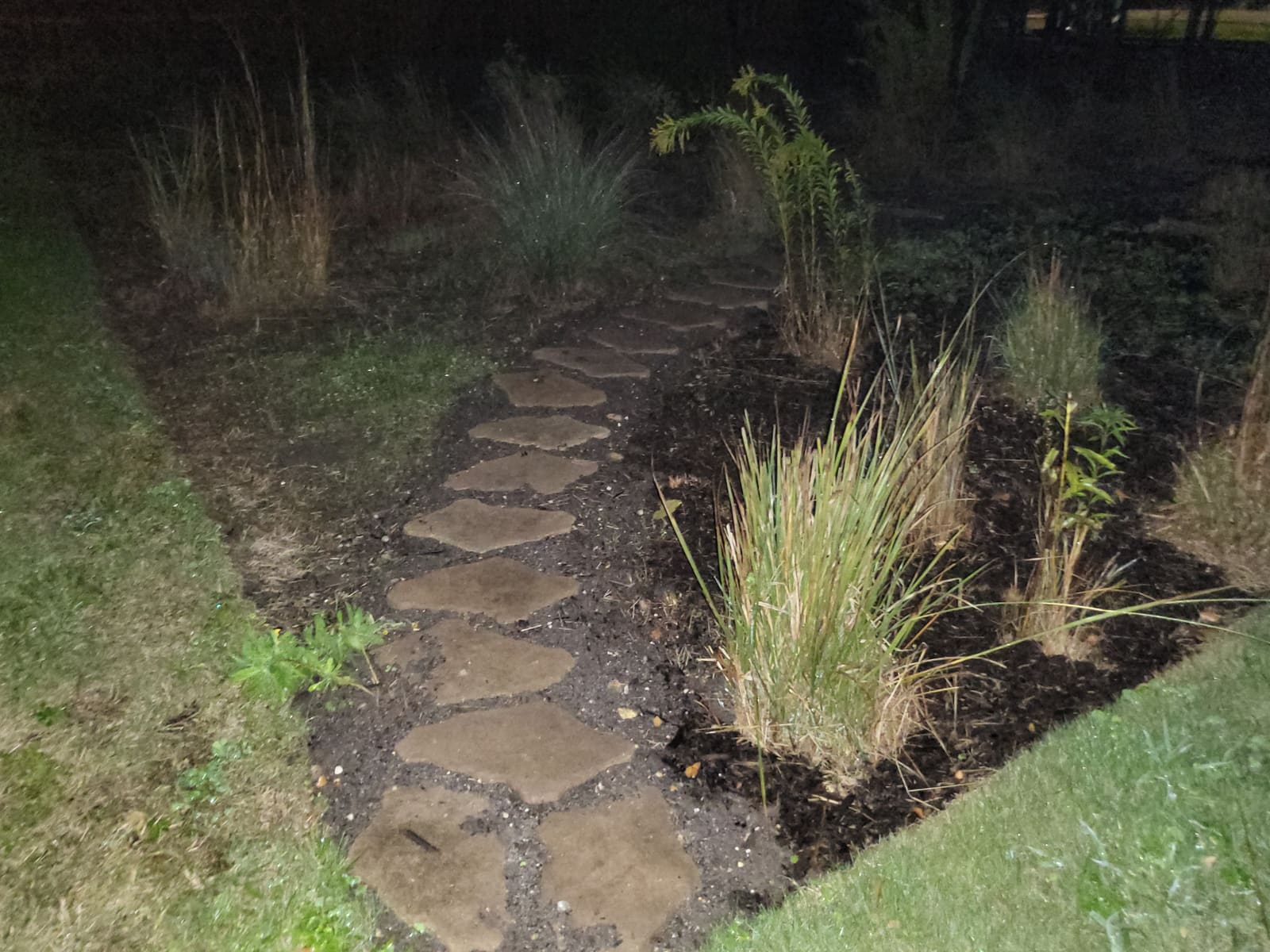
Archive · photo: Scott Barnes
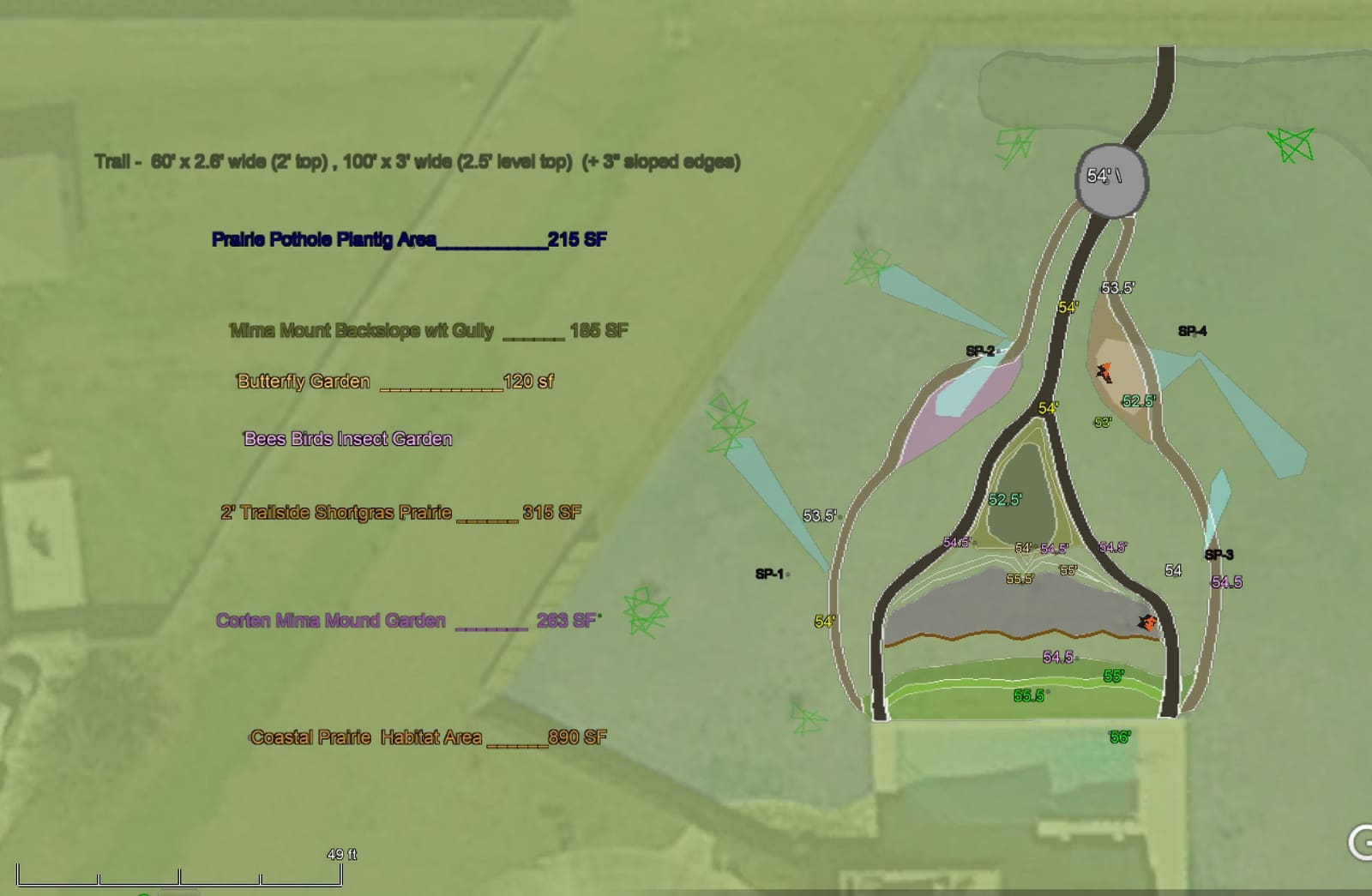
Archive · 2019 · photo: Scott Barnes
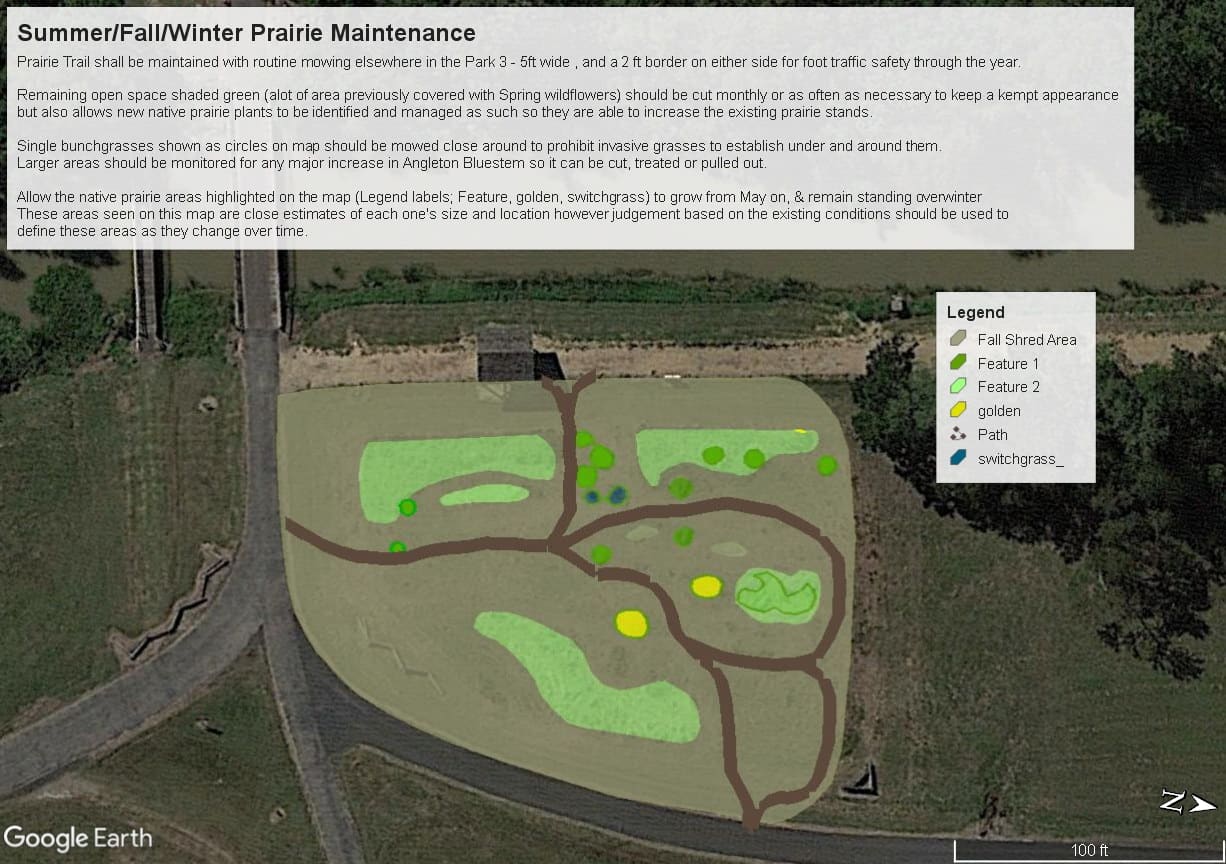
Archive · 2019 · photo: Scott Barnes
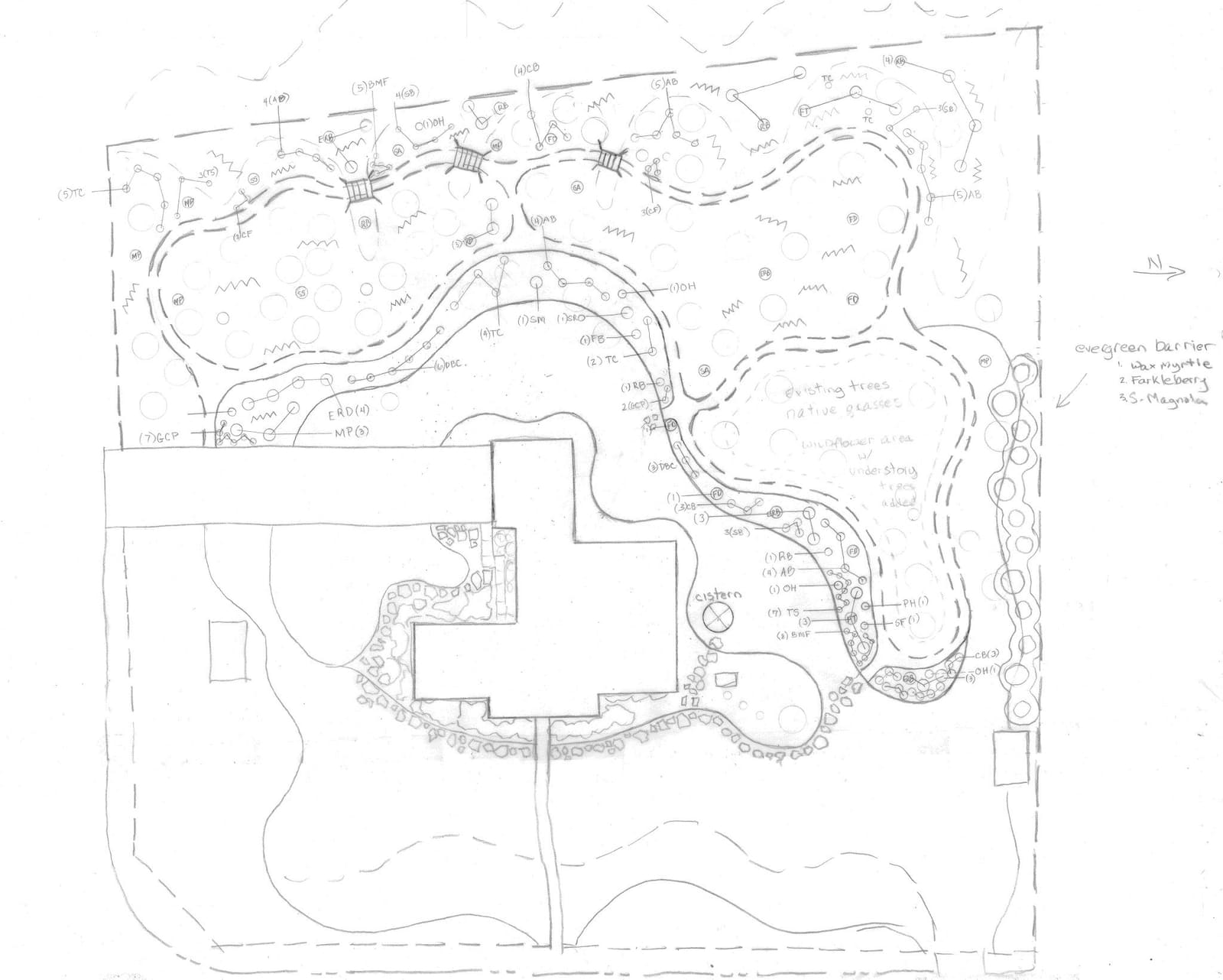
Archive · 2019 · photo: Scott Barnes
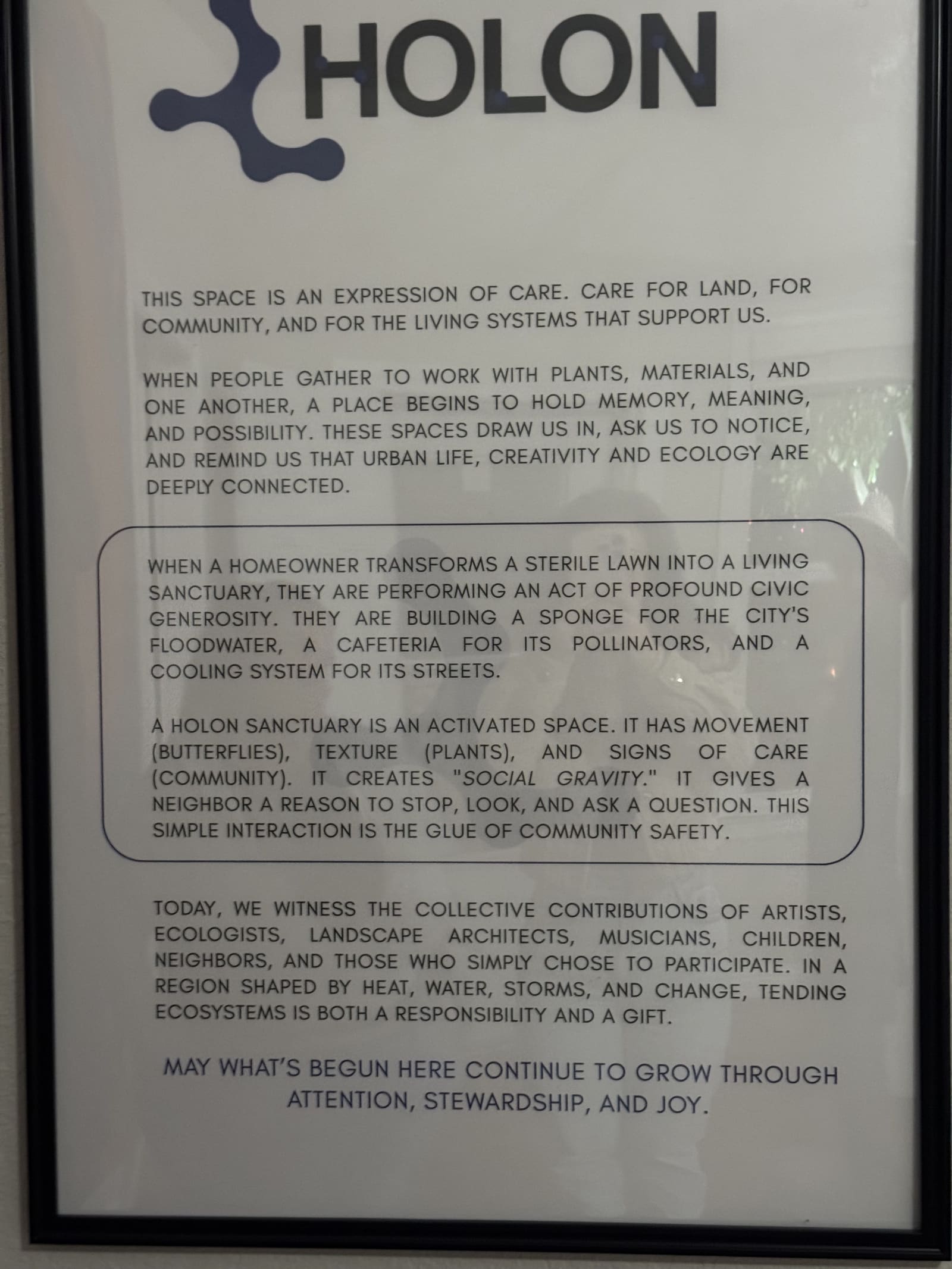
Archive · 12·2025
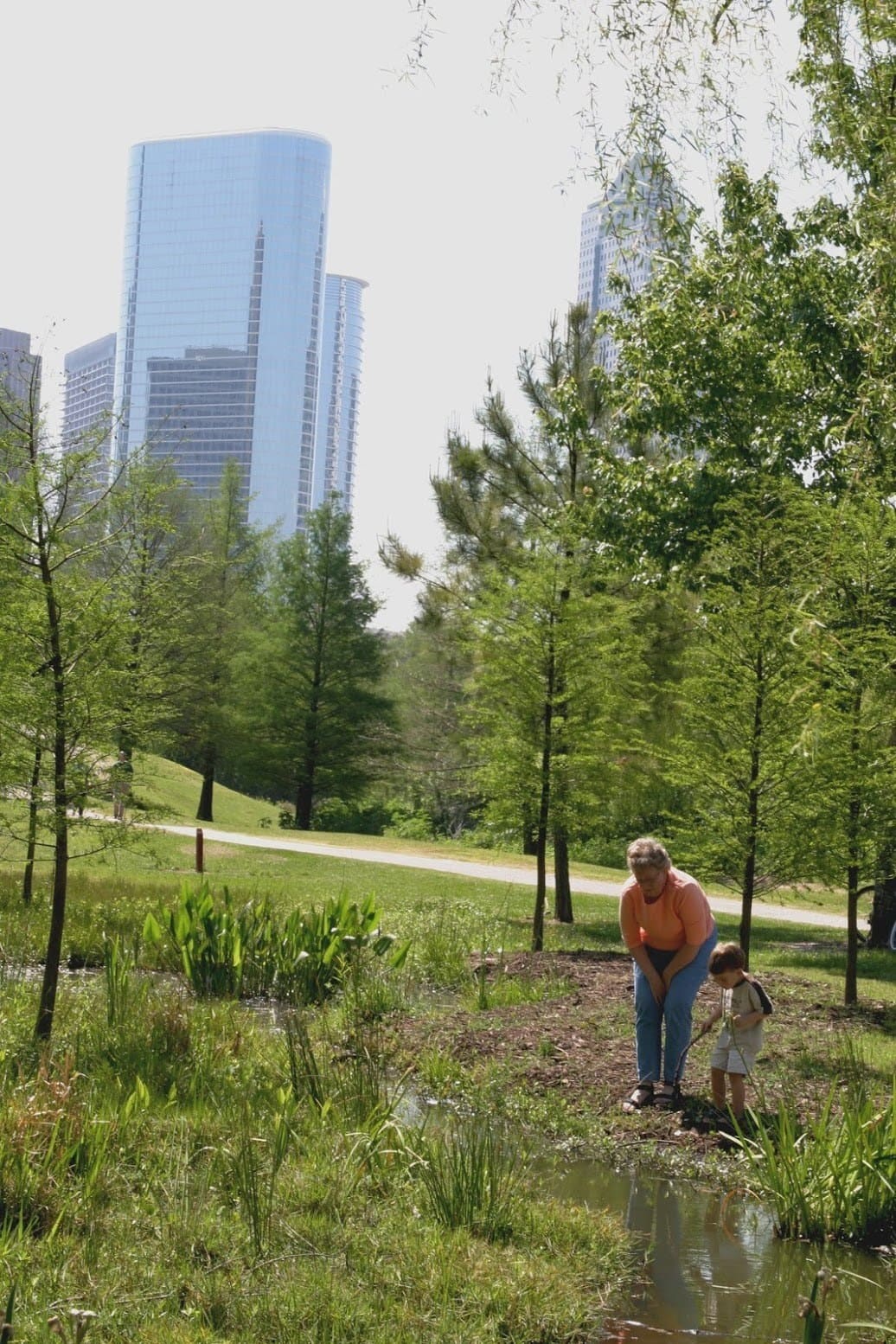
Archive · 2008 · photo: Scott Barnes
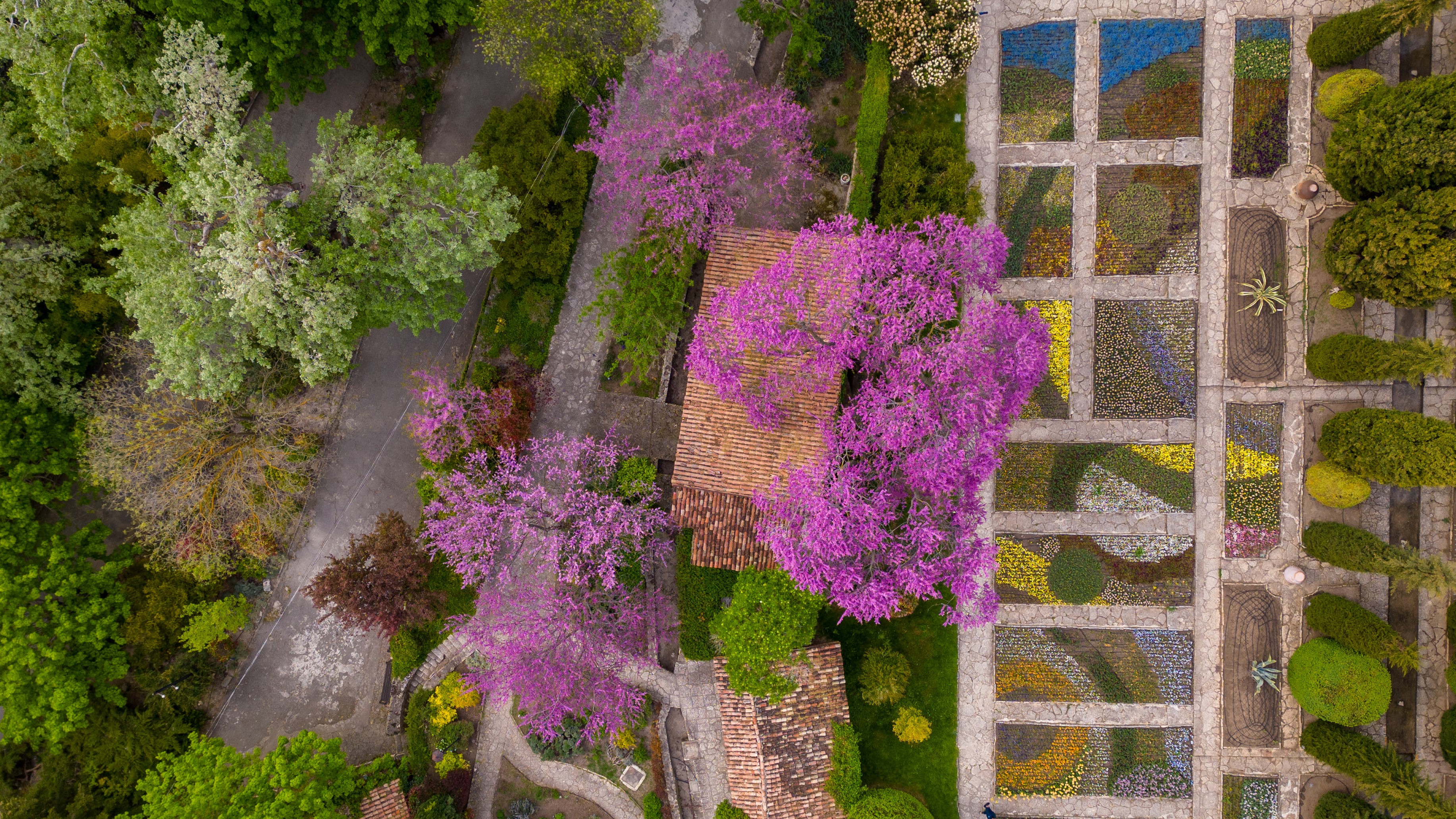
Archive · first site
The first Holon website led with an aerial photograph of a garden meeting its street. We retired the picture when the design changed; it returns here because it still says the thing best: the site was never a lot, it was a neighborhood.
Everything in this section is shown as it was made. Archive frames are never recolored, and the only retouch on this site is a blurred house number. The mount and the stamp carry the era.
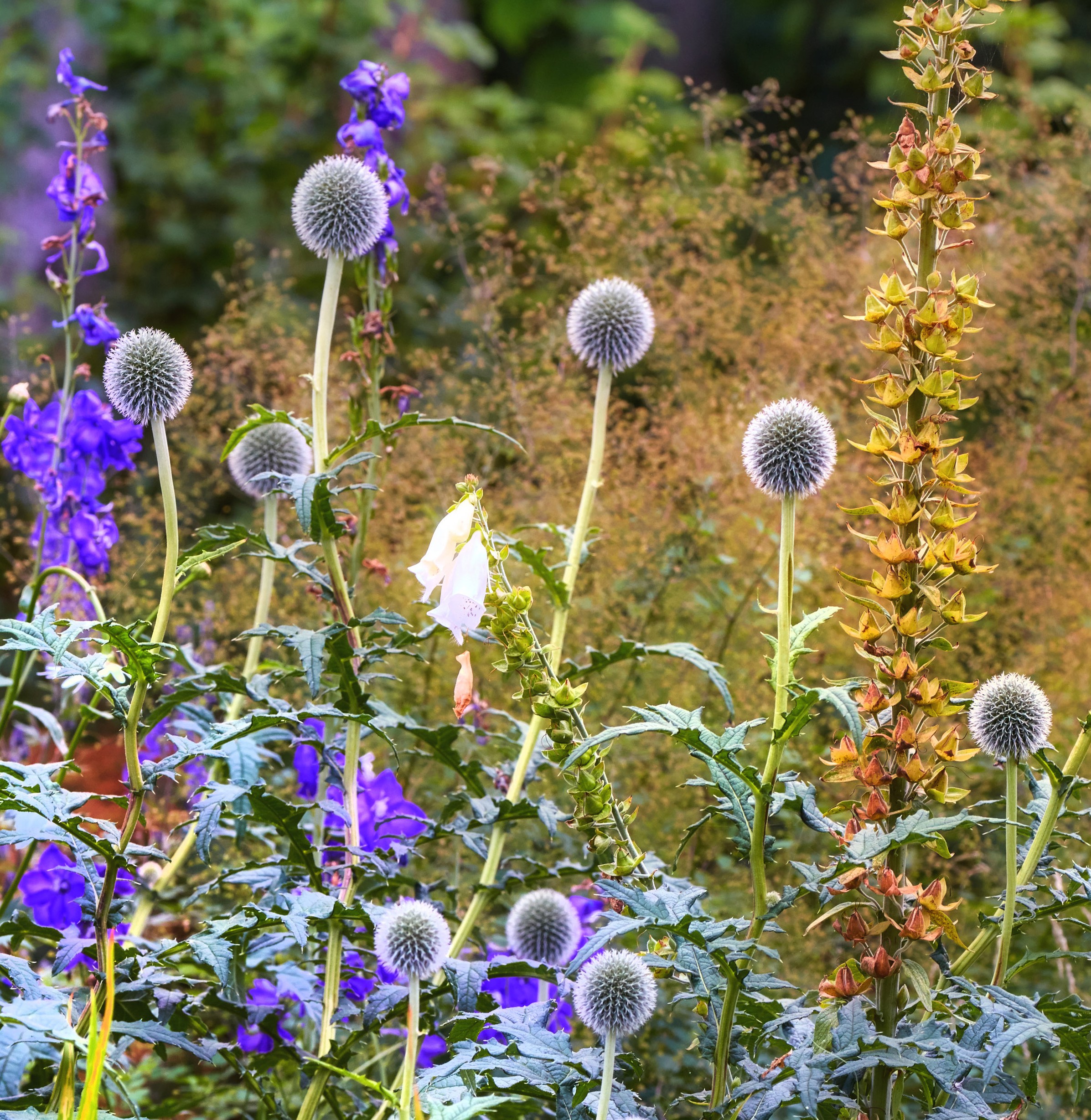
Archive · first site
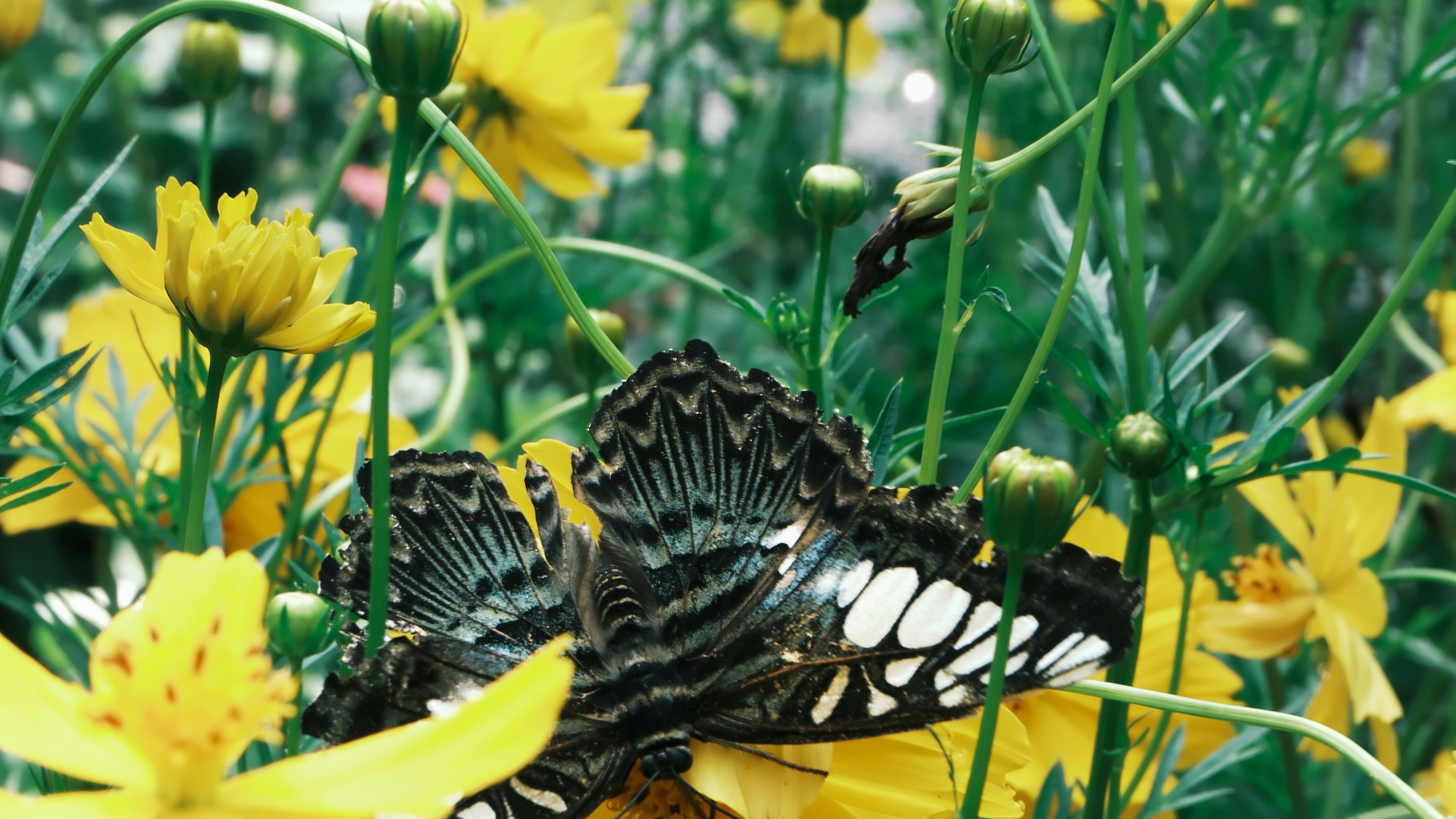
Archive · first site
On the shoulders of people who started earlier.
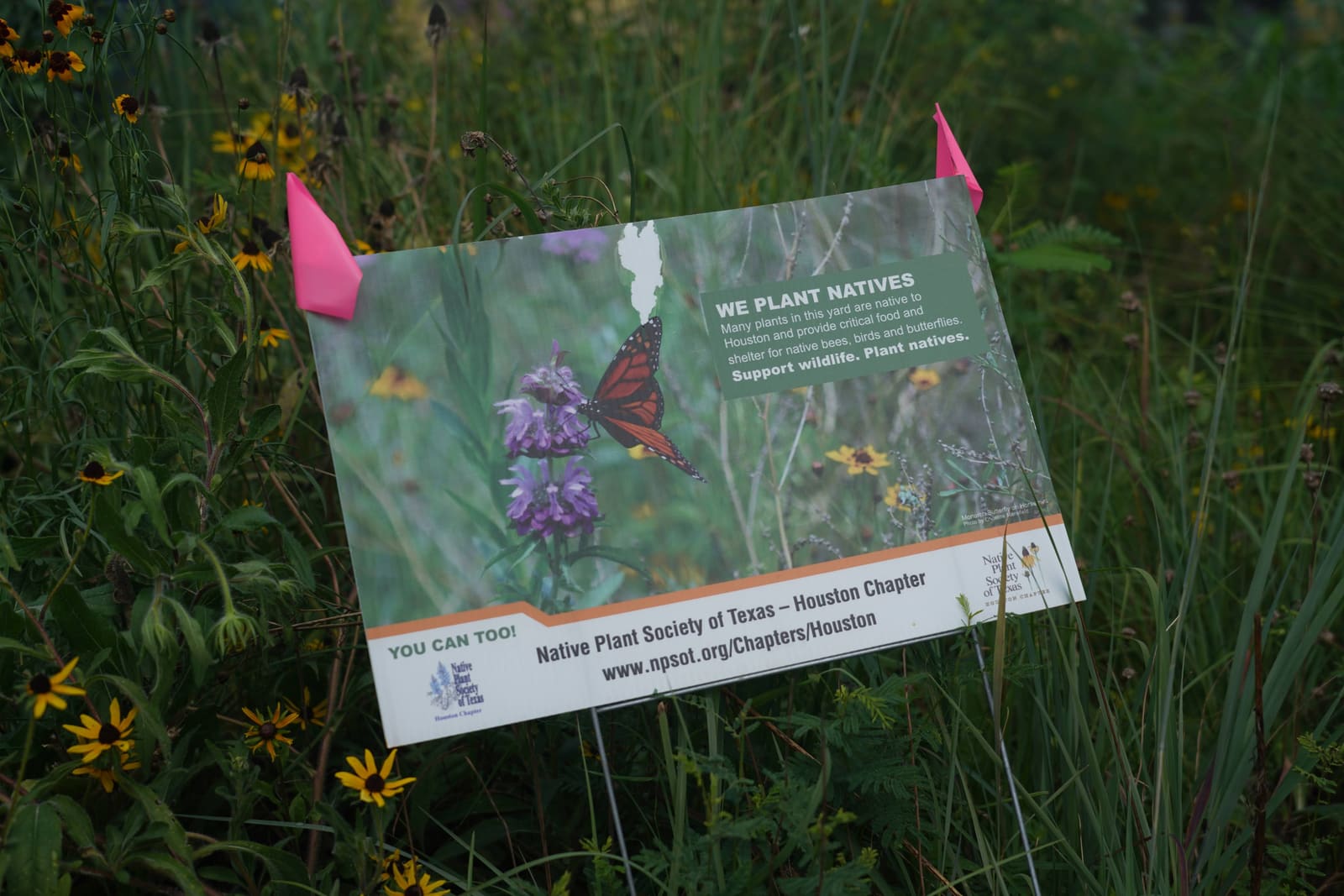
NPSOT Houston has done native-plant-knowledge work for decades. Homegrown National Park reframed the front yard before us. The Xerces Society, Wild Ones, and generations of growers carried this. Our work is downstream of theirs, and we say so on purpose.
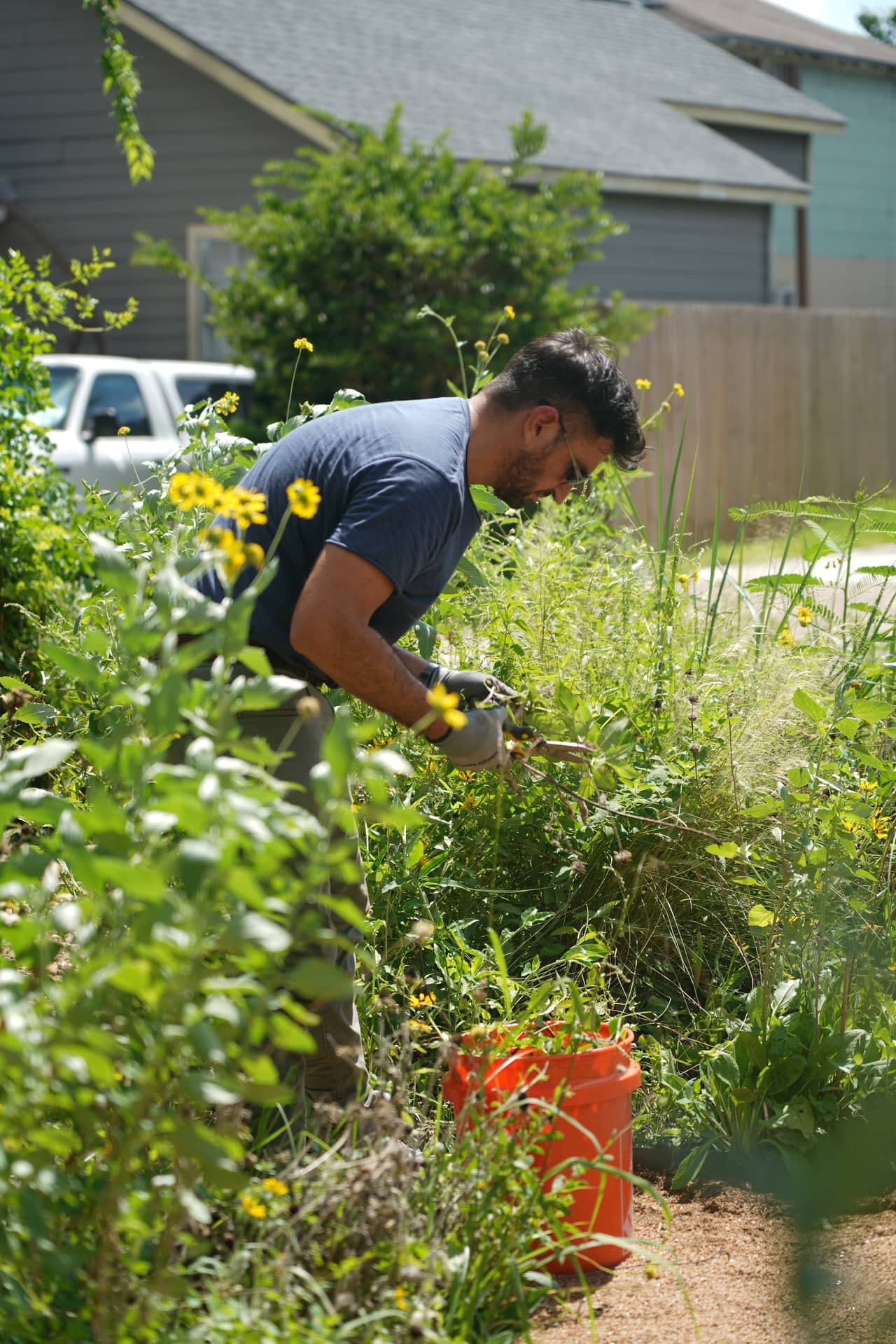
We critique the mow-and-blow business model, never the crews who do the work. Those crews are mostly decent, often love being outside, and are paid too little by the very model we are arguing with.
Closer to our own method: the people who proved a street can change in a day. Rebar turned a metered parking space into a one-day park in 2005 San Francisco. Team Better Block rebuilt a Dallas block for a weekend. City Repair painted Portland intersections into commons. They perfected the fast, visible, reversible first move. We stand on their shoulders for the question that comes after the weekend: who keeps it in year five. That is the keeper's job, and it is the only part we claim as ours.
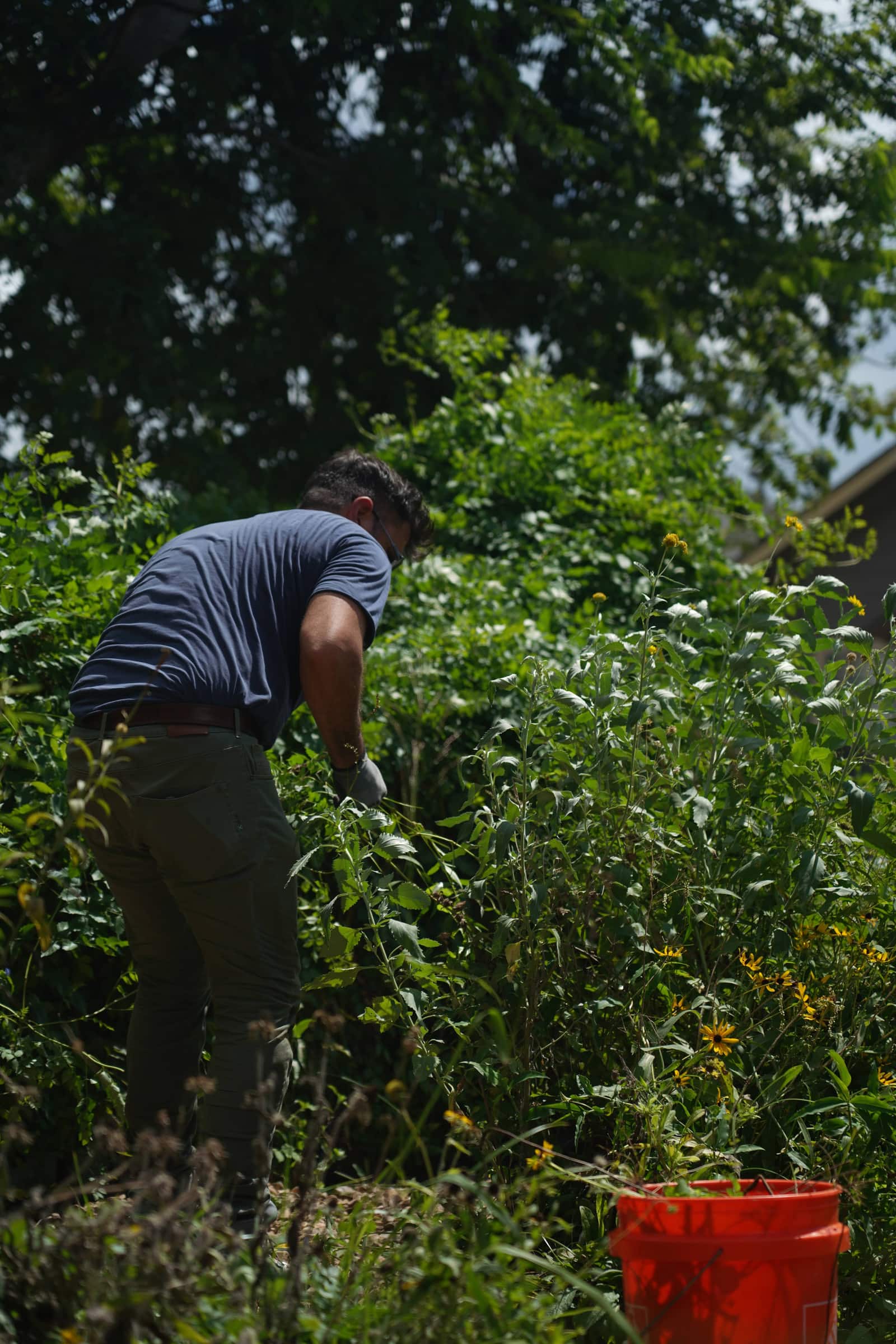
Summer 2026 · Houston
About these photographs
Photography: Isaac · Summer 2026 · Houston
Archive photographs 2009 to 2019: Scott Barnes, from Holon. The practice is older than the name.
Every photograph on this site was made in a real Holon garden in Summer 2026. Nothing is staged. Nothing is retouched, except that a house number in frame is blurred. Gardens are alive, so the pictures will change with the seasons, the way the gardens do.
Summer 2026 · Houston